

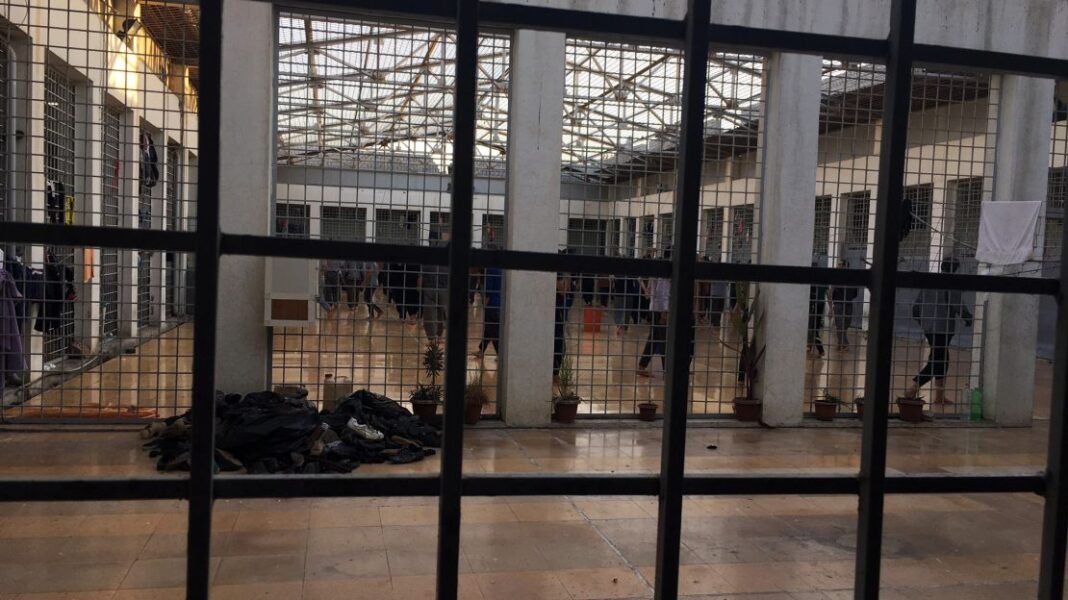
Iraq now faces serious financial pressure due to incoming ISIS detainees from Syria. Government officials released clear estimates to explain the burden. These figures shape current security and budget planning. Therefore, transparency has become a priority.
Iraqi authorities expect to receive around 7,000 ISIS detainees in several transfer stages. Each transfer requires planning, transport, and detention capacity. As numbers increase, costs rise quickly. Consequently, ministries now track expenses carefully.
According to official calculations, Iraq will spend 33 billion Iraqi dinars per year on food alone. This amount equals about $25,000,000 annually. The budget covers daily meals for all detainees. Therefore, food represents the largest single expense.
Breaking the cost down further, each detainee requires about $9.80 per day for food. This equals nearly $294 per month per detainee. Over one year, food costs reach about $3,570 per detainee. Small increases would raise totals significantly.
However, food costs represent only part of the burden. Iraq must also pay for security staffing. Guards require salaries, training, and equipment. Medical care adds further expense. Electricity and water costs increase monthly.
In addition, detention facilities need upgrades and maintenance. Overcrowding creates security risks. Authorities plan expansions and repairs. Construction and equipment purchases raise capital spending. Therefore, long-term costs continue to grow.
Iraq ISIS detainee costs also include transport and monitoring. Security forces protect transfer routes daily. Surveillance systems require constant operation. These measures increase operational spending. As a result, security budgets face heavy strain.
Officials confirm that 150 ISIS detainees have already entered Iraqi custody. Authorities expect hundreds of detainees per day during peak transfer periods. Many detainees include senior ISIS leaders. Several hold foreign nationalities.
Moreover, Iraqi leaders argue Iraq should not carry this burden alone. They stress shared international responsibility. Many detainees committed crimes beyond Iraq’s borders. Therefore, officials demand financial and logistical support from partners.
Diplomatic discussions continue with foreign governments. Iraqi officials highlight Iraq’s sacrifices during the fight against ISIS. They insist fair cost sharing protects regional security. This position guides ongoing talks.
Public concern grows as costs become clearer. Citizens worry about reduced funding for services. Education and healthcare budgets face pressure. Thus, detainee expenses fuel national debate.
Despite financial strain, Iraq prioritizes preventing ISIS resurgence. Authorities accept short-term costs to ensure long-term security. However, they continue calling for external support. This stance defines current policy.
Observers say Iraq ISIS detainee costs will influence future regional cooperation. Neighboring states closely watch Iraq’s approach. International partners face increasing pressure to assist. The issue will remain central in security discussions.