

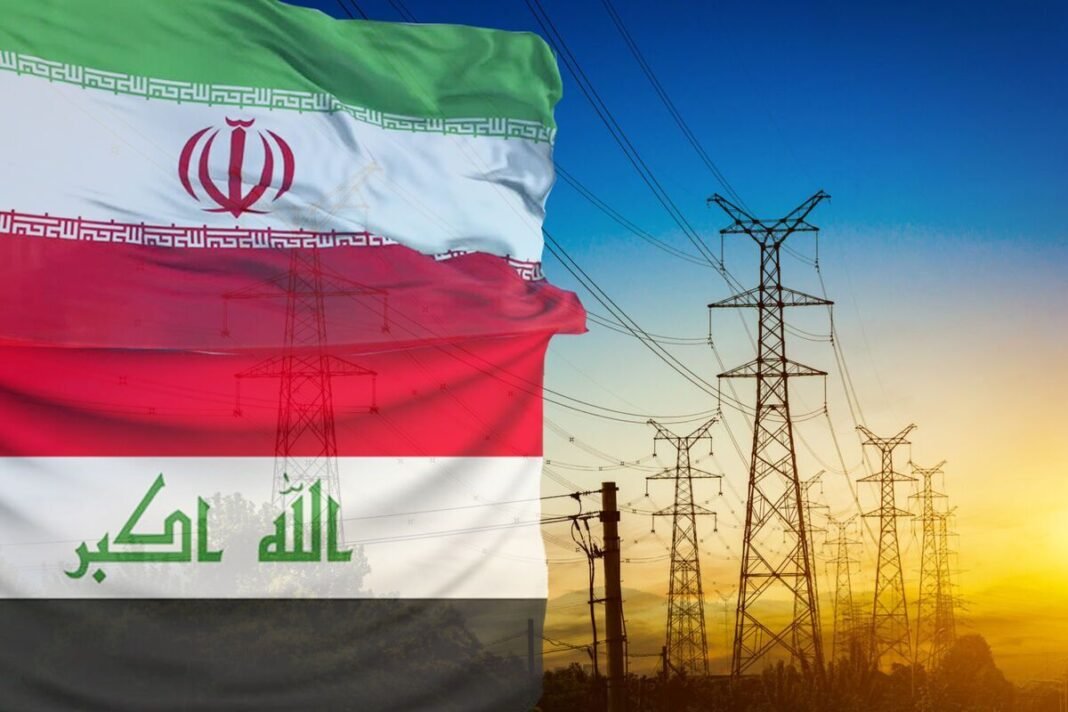
Iraq-Iran energy ties in focus as both countries navigate a complex relationship shaped by dependence, sanctions, and shifting regional dynamics. Iraq still depends on Iranian gas and electricity, while U.S. waivers try to balance pressure with energy needs.
Although the US has issued sanction waivers allowing Iraq to import Iranian energy, critics argue these waivers fail to achieve their intended political goals. Instead of weakening Iran’s position, they reflect Iraq’s unavoidable dependence on its neighbor for stable power supplies. Iraq-Iran energy ties in focus show how deeply linked their energy systems have become.
According to a critical analysis from the Clingendael Institute’s “Iran in Transition” series, the waivers rest on flawed assumptions. The analysis points out that revoking the waivers would not significantly pressure Iran but would instead destabilize Iraq’s fragile power grid. Iraq already faces routine blackouts, especially during hot summer months when demand spikes and supply falters.
Iran supplies a large share of the gas used in Iraqi power stations, especially in Baghdad and the southern provinces. Electricity exports from Iran also help Iraq avoid severe shortages. Iraq-Iran energy ties in focus reveal how Baghdad cannot currently diversify its energy sources fast enough to replace Iranian imports.
The situation is further complicated by political unrest in Iran. The death of Mahsa Jina Amini in 2022 led to nationwide protests across social and economic lines. The Iranian government responded with violence, drawing global condemnation.
Despite the political turmoil, Iran has maintained its energy export commitments to Iraq, though at times delays or reductions in supply have occurred.
Intra-elite power struggles and economic pressures in Iran also impact energy exports. Iran often uses energy as a diplomatic tool to maintain influence in Iraq. Meanwhile, Iraq struggles with delayed payments, aging infrastructure, and underdeveloped domestic gas production, making quick energy independence unlikely.
The US waivers, while designed to weaken Iran, instead highlight Iraq’s lack of alternatives. Energy analysts warn that ending the waivers abruptly could cause a major crisis in Iraq, sparking more instability in an already volatile region.
In conclusion, Iraq-Iran energy ties in focus reveal the limits of sanction-based strategies. Until Iraq strengthens its domestic production and builds more sustainable energy infrastructure, its reliance on Iranian gas and electricity will remain.