

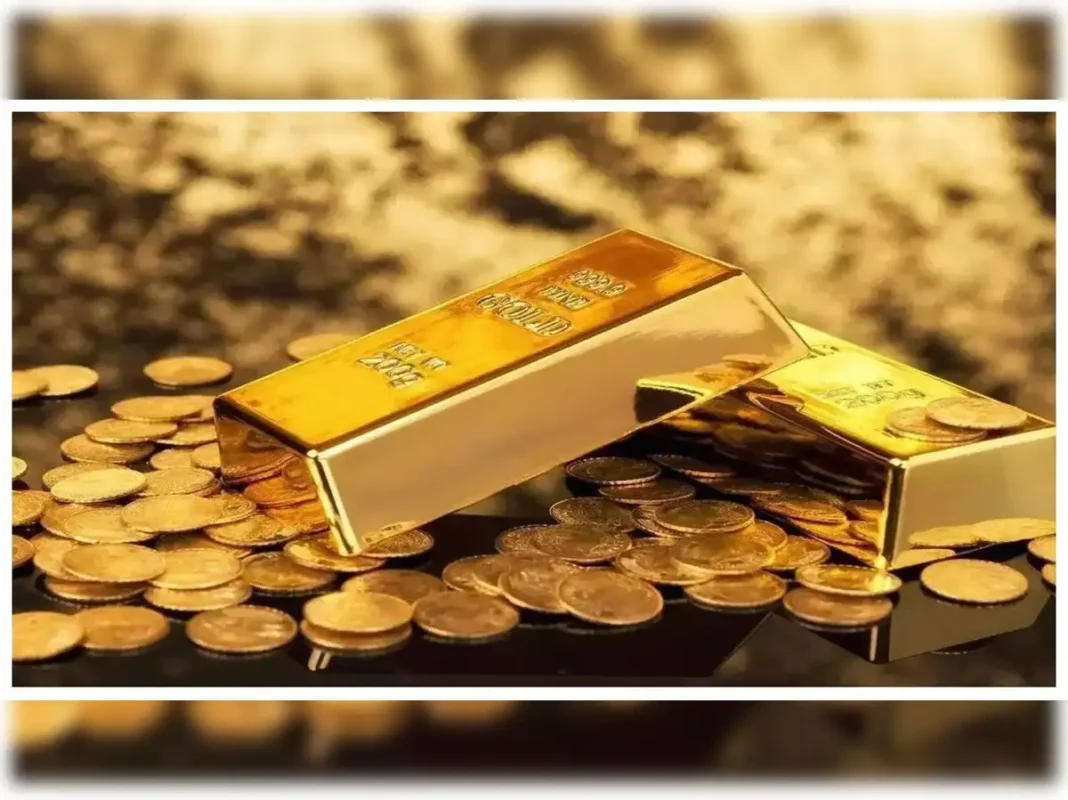
In Iraq, gold prices continue to draw attention as they show mixed movement across major cities. Gold prices in Iraq remained steady in Baghdad but edged slightly lower in Erbil. This shift keeps market watchers alert, especially buyers and sellers tracking gold trends.
In Baghdad, gold prices in Iraq showed stability in the main wholesale market. On al-Nahr Street, the price for one mithqal of 21-carat gold from Gulf, Turkish, or European sources stood at 658,000 Iraqi dinars. Traders bought the same quantity for 654,000 dinars. This represents a slight increase from the previous trading session. Local 21-carat Iraqi gold followed closely behind, selling at 628,000 dinars, with buying prices reaching 624,000 dinars.
Jewelry shops in Baghdad displayed slightly higher rates. There, Gulf-origin 21-carat gold sold between 660,000 and 670,000 dinars per mithqal. Meanwhile, local Iraqi gold of the same purity ranged from 630,000 to 640,000 dinars. These steady figures underline that gold prices in Iraq continue to hold firm in the capital.
However, Erbil saw a subtle dip in prices. The market there registered slightly reduced values across several purities. A mithqal of 24-carat gold sold for 765,000 dinars, while the 22-carat stood at 700,000 dinars. The 21-carat rate dropped to 670,000 dinars, and the 18-carat version sold for just 575,000 dinars. Despite this dip, gold prices in Iraq stay within a predictable range, reflecting overall market consistency.
The contrast between Baghdad’s price steadiness and Erbil’s decline may result from regional demand differences or shifts in local purchasing habits. Yet, dealers continue to expect moderate changes only, barring any global shock in bullion markets.
Notably, gold remains a popular investment in Iraq. It serves both as a hedge against inflation and a cultural asset used in weddings and celebrations. Because of this, fluctuations in gold prices in Iraq attract regular attention from both investors and families.
As global gold prices stay volatile, local markets react swiftly. However, Iraq’s internal gold rates typically mirror long-term patterns unless driven by larger economic or geopolitical events. Traders in both cities closely monitor every fluctuation to adjust prices and stock levels accordingly.
In conclusion, while Erbil experienced a minor decline, the overall prices in Iraq display resilience and balance. Buyers and sellers remain cautious but active in both cities.