

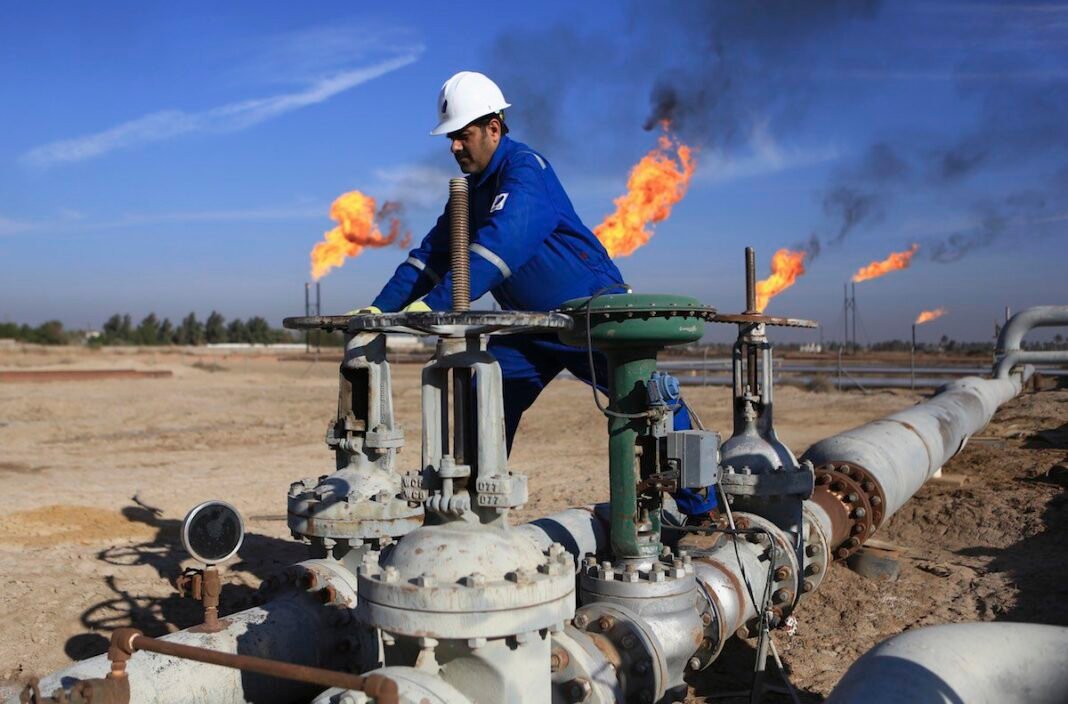
Iraq confirmed steady energy operations as Iraq’s fuel supply is stable, and 32,474 output remains in place. The Ministry of Oil continues crude extraction and production under an emergency plan.
Authorities activated this plan through the Fuel Crisis Cell. This step ensures continued production despite regional and domestic challenges. As a result, oil output remains within approved levels.
Moreover, officials reported strong performance in refined fuel production. Supplies of liquefied petroleum gas also meet domestic demand. Therefore, households and industries continue to receive stable energy access.
In addition, distribution operations run smoothly across supply outlets. Fuel delivery continues without major disruption. This efficiency supports market stability across the country.
Current data highlights key fuel indicators. Petrol production reached 32,474 cubic metres per day. At the same time, daily consumption stood at 29,079 cubic metres. These figures show that production exceeds demand.
Furthermore, available stock for loading reached 98,478 cubic metres. This reserve supports ongoing supply needs. However, the critical stock threshold stands at 200,000 cubic metres. Therefore, authorities continue monitoring inventory levels closely.
The Iraq fuel supply is stable, with 32,474 output, which reflects careful resource management. Officials aim to prevent shortages while maintaining steady distribution. This balance remains essential for economic activity.
Additionally, a stable fuel supply supports transportation and industry. It also helps control price fluctuations in local markets. As a result, economic pressure on citizens may ease slightly.
Meanwhile, the government continues to assess fuel demand patterns. Seasonal changes and consumption trends may affect supply levels. Therefore, officials remain prepared to adjust production if needed.
The Iraq fuel supply is stable with 32,474 output, also signaling resilience in the energy sector. Despite external risks, operations continue without interruption. This stability strengthens confidence in Iraq’s oil infrastructure.
In conclusion, current fuel indicators confirm a balanced market. Production exceeds consumption, and distribution remains efficient. Authorities continue monitoring stock levels to ensure long-term stability.