

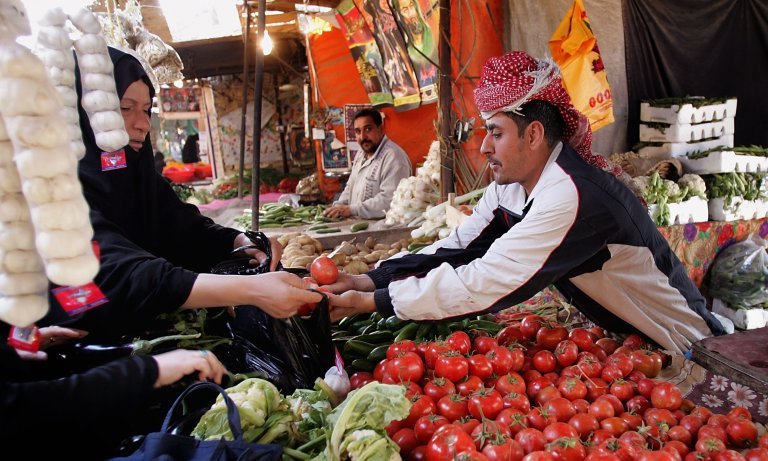
Iraq food price cuts aim to ease pressure on families during a high-spending season. The Ministry of Trade announced plans to reduce food prices by more than 20 percent. This decision targets price stability and consumer protection across local markets. As a result, shoppers expect noticeable relief.
Officials explained that all state food trading projects will apply discounts. Moreover, cooperative retail outlets will join the effort nationwide. These steps will improve access to affordable food. Therefore, citizens can shop more easily during Ramadan.
Iraq food price cuts will cover essential daily items. These items include staples that families buy regularly. Consequently, the policy focuses on direct household needs. Authorities want to reduce the impact of seasonal demand.
In addition, officials stressed strong coordination with retail partners. Store managers received clear instructions to follow the discount plan. Meanwhile, oversight teams will track pricing behavior closely. This approach aims to prevent abuse or manipulation.
The Ministry of Trade confirmed stable supply levels. Food stocks remain sufficient across markets. Furthermore, imports continue without interruption. These factors support consistent pricing during the season.
Iraq food price cuts also support wider economic stability. Lower prices help control inflation pressure. As a result, purchasing power improves for low and middle incomes. This move reflects a social protection strategy.
Officials emphasized zero tolerance for price manipulation. They warned traders against unjustified increases. Inspectors will monitor shops and wholesalers regularly. Therefore, enforcement will remain strict.
The policy also strengthens trust between consumers and authorities. Citizens often worry about sudden price hikes. However, this plan aims to reduce uncertainty. Clear communication supports confidence.
Retail initiatives play a key role in this effort. Cooperative stores offer organized distribution and fair pricing. These outlets reduce reliance on middlemen. Consequently, prices remain more predictable.
Iraq food price cuts align with broader food security goals. Authorities want reliable access to basic goods. They also want fair competition in markets. These principles guide the program.
Market observers expect strong public response. Families often adjust spending during Ramadan. Lower prices encourage balanced consumption. Moreover, savings can support other household needs.
Officials highlighted continued monitoring throughout the month. Teams will check availability, quality, and pricing. Immediate action will address violations. This system ensures policy effectiveness.
The ministry also encouraged citizens to report irregular prices. Public feedback supports enforcement efforts. Transparency improves accountability across markets.
Iraq food price cuts reflect a proactive approach. Authorities aim to manage demand pressures early. This strategy reduces economic stress. Ultimately, it supports social stability.
Looking ahead, officials may extend similar measures. Future holidays could see price controls. Such planning helps long-term consumer protection.
This initiative demonstrates government focus on daily living costs. Affordable food remains a priority. Strong oversight and supply management support success.