

Iraq enters a difficult financial phase as experts warn of rising risks. Economic analyst Manar Al-Obaidy studies new numbers and warns of urgent danger. He stresses that Iraq fiscal alarm now shapes every discussion about the country’s economy. His review shows higher spending, shrinking revenues, and growing pressure on financial reserves. However, he explains that Iraq must act quickly to avoid deeper trouble.
Al-Obaidy reviews recent revenue data. He says Iraq earns 82 trillion dinars in total income. Oil brings in 73 trillion dinars. Non-oil income reaches only 9 trillion dinars.However, this gap shows how Iraq still depends on oil. He insists that this dependence increases risk during global economic changes. He also says this imbalance strengthens the Iraq fiscal alarmacross all sectors.
Government spending continues to increase. Public expenditures reach 87.5 trillion dinars. Operational spending alone takes 73 trillion dinars.As well as, Government advances add another 5 trillion dinars. These numbers push Iraq into a real deficit of about 10 trillion dinars at the end of the period studied. Al-Obaidy expects the deficit to pass 15 trillion dinars soon. He explains that traditional financial tools will not solve this problem anymore.
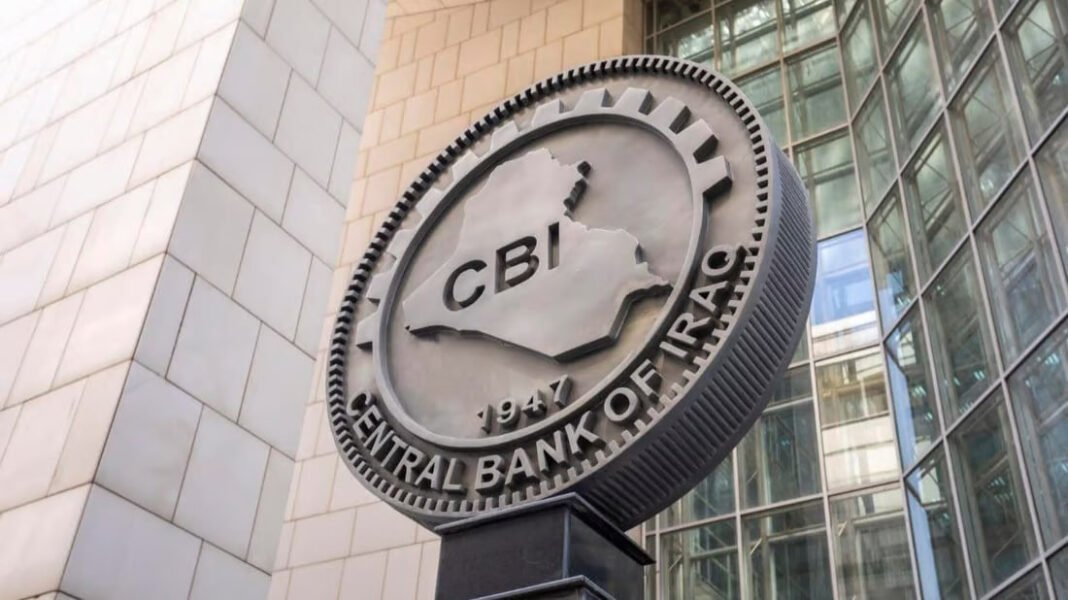
Al-Obaidy also studies the Central Bank’s foreign currency activity. He notes that the Bank buys 49 billion dollars from the Ministry of Finance. Later, it sells more than 60 billion dollars through the currency auction. This pattern forces the Bank to use 11 billion dollars from its reserves.Additionally, this drain grows stronger because oil prices now stand near 60 to 65 dollars per barrel. Lower prices limit Iraq’s financial freedom and increase stress on the budget.
He warns that rising operational spending will cause more strain. He believes no government can handle these costs without major reform. Borrowing may help for a short time. However, Iraq’s internal debt has already passed 90 trillion dinars. This level limits the local market’s ability to support new debt. He argues that Iraq must review spending carefully and remove waste.
Al-Obaidy points to several areas that need quick action. He highlights ghost employees, pension files, and social welfare programs. Al-Obaidy says these areas include large financial leakages. He believes some programs support political goals rather than public needs. As well as, Al-Obaidy also urges a review of the food ration card system and subsidized medicine programs. He stresses that support must reach the people who truly need help.
He explains that Iraq faces a turning point. A new government may delay the next budget. This delay may leave the country without a clear spending limit for months. He cautions that the Iraq fiscal alarm now threatens basic financial duties. Salaries and key services may face pressure. He says Iraq must act with responsibility and speed to avoid harsh measures that will hurt poor families first.