

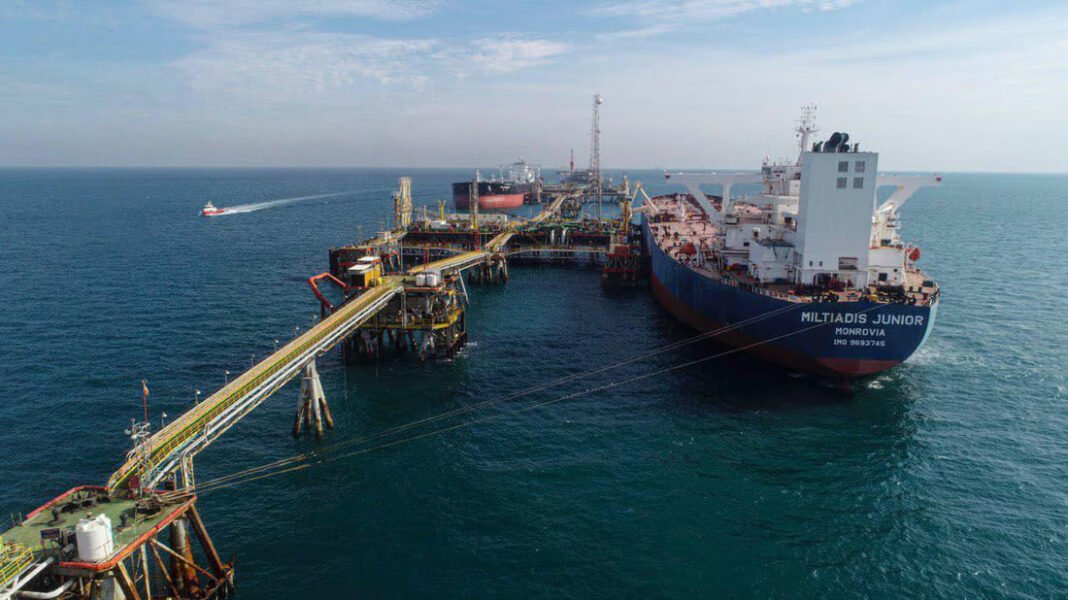
Iraq exported 107,616,220 barrels of crude oil in January and generated $6,485,294,000 in revenue. Official data from the State Organization for Marketing of Oil confirmed the figures. As a result, Iraq oil exports remained a key source of national income.
The majority of Iraq oil exports came from central and southern fields. These fields shipped 101,160,349 barrels during the month. Therefore, southern production continued to drive overall export performance.
Meanwhile, exports from the Kurdistan Region moved through Turkey’s Ceyhan port. Shipments from the region totaled 6,445 barrels. Although this figure remained small compared to southern volumes, it reflected ongoing coordination between Baghdad and Erbil.
Iraq oil exports did not include shipments to Jordan during the month. In addition, the Qayyarah field recorded no export activity. Consequently, total exports depended heavily on southern production hubs.
Revenue from the 107 million barrels reached $6.48 billion. This income supports Iraq’s federal budget and public spending. Moreover, oil earnings help finance infrastructure and salary payments.
Global oil prices also influenced monthly revenue. When crude prices remain stable, export income strengthens. Therefore, Iraq monitors both volume and price trends carefully.
Energy analysts note that consistent export levels strengthen Iraq’s position in global markets. Iraq ranks among the top oil producers in OPEC. As a result, monthly export data carries regional significance.
The performance in January signals steady output capacity. However, officials continue efforts to improve logistics and infrastructure. They aim to maintain reliable flows from production fields to export terminals.
Iraq oil exports remain the backbone of the national economy. Despite diversification plans, crude sales generate the majority of state revenue. Consequently, policymakers track monthly shipment data closely.
If export volumes remain above 100 million barrels in the coming months, Iraq will sustain strong revenue streams. However, market volatility and geopolitical factors could affect future performance.
For now, January’s figures confirm that Iraq’s oil exports exceeded 107 million barrels and delivered more than $6.48 billion in income.