

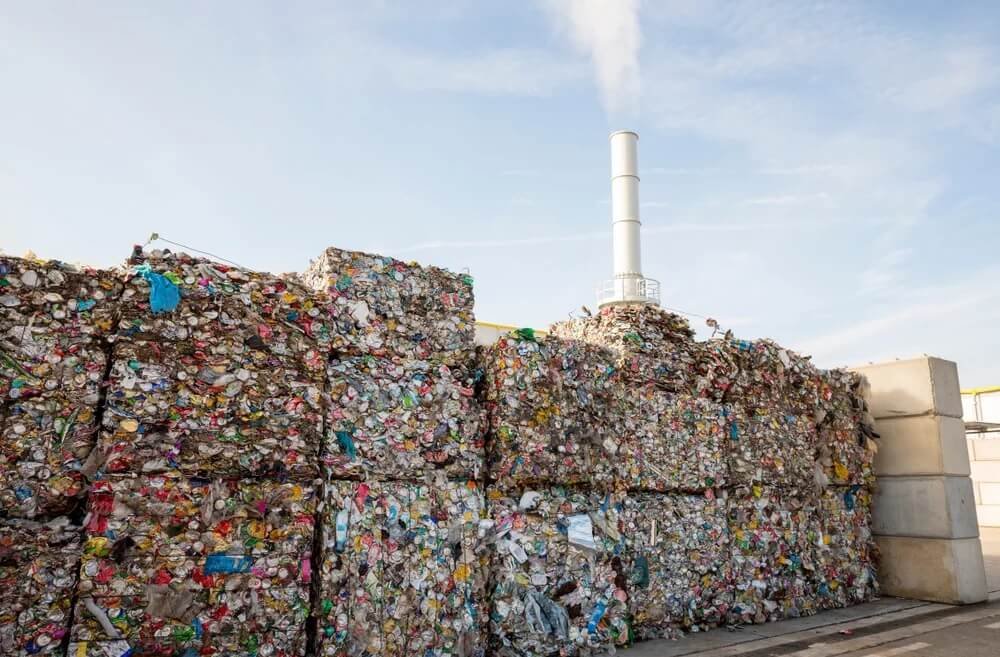
Iraq now moves toward a new energy path because the country wants stronger power security. The government introduces a major plan called Waste Power Iraq, and this plan aims to turn huge amounts of trash into electricity. Iraq collects almost 12 million tons of waste every year, and the government wants to turn this challenge into a national resource. Moreover, officials say the country needs fresh solutions because power shortages continue across many cities.
Iraq depends on imported gas for most of its electricity, and this creates heavy pressure on the energy sector. Therefore, the government chooses to expand local energy production through new waste-to-energy plants. The first facility will rise in Baghdad, and the project aims to show how trash can support the national grid. Furthermore, the plan encourages modern energy systems that reduce pollution and improve daily life. The government highlights Waste Power Iraq as a core part of its strategy.
Chinese companies offer strong interest in the project, and Iraq selects one developer after a competitive process. The company will build a large waste-to-energy plant that uses advanced technology. The project costs almost half a billion dollars, and the government expects fast progress. Additionally, officials say similar projects will spread across the country to support long-term energy goals. Iraq hopes this approach will reduce the load on its power network. The plan also improves waste management and supports the future of Waste Power Iraq.
Local experts say the first phase needs around 3,000 tons of trash each day. The trash will move through a controlled process that creates heat and electricity. Meanwhile, Baghdad prepares another plant because the city produces huge amounts of daily waste. More cities will join later, including Najaf, Karbala, Nineveh, and Basra. Each province creates a major amount of trash, so the new system brings cleaner solutions. Moreover, Iraq aims to reduce pollution in growing urban areas.
City populations grow faster each year, and trash levels increase with this growth. Therefore, officials search for better ways to manage waste without harming the environment. The new energy plan reduces the use of fossil fuels and supports cleaner practices. Iraq wants to build a strong green future that protects both people and nature. These steps also decrease pressure on landfills and improve public health.
Iraq sees this project as a turning point because it answers energy needs while solving waste problems. It brings environmental benefits, economic value, and stronger stability to the power sector. The plan builds confidence in new technology and opens the door for more sustainable projects. With clear goals and steady expansion, Iraq moves closer to a cleaner energy future.