

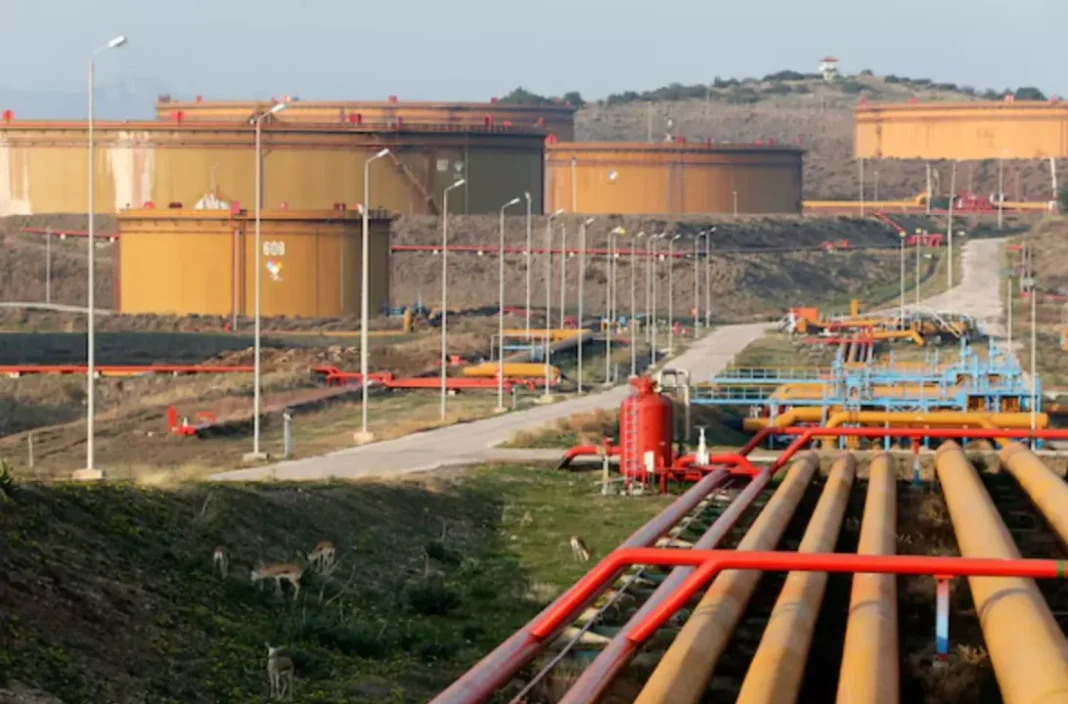
Iraq strengthens its oil sector again as the country increases exports through the strategic Turkey route. The government highlights strong progress in northern production, and officials point to major gains from the renewed Iraq-Turkey pipeline flow. This momentum supports national revenue, and it also reflects a stable partnership between Baghdad and Erbil. The plan called Kurdistan Pipeline Energy guides this cooperation, and officials repeat that Kurdistan Pipeline Energy will shape future oil policy. Moreover, the renewed export flow brings new confidence to energy markets.
Iraq now moves more than 13 million barrels of oil from the Kurdistan Region through Turkey’s Ceyhan port. The shipments continue every day, and they average slightly above 200,000 barrels. This level shows strong market demand, and it also reflects fresh coordination across the sector. Production rises in the region, and companies maintain steady output levels. As a result, Kurdistan Pipeline Energy helps both sides gain economic and political stability.
The pipeline stopped for a long time before this progress, and the halt created major pressure on the Iraqi economy. However, the new agreement between Baghdad and Ankara opened the way for a full restart. Iraq and Turkey now coordinate on transit rules, and both sides want smoother energy operations. The government in Baghdad also works closely with the Kurdistan Regional Government to keep export volumes stable. This cooperation strengthens trust and ensures clear policies for producers.
Oil production in the Kurdistan Region reaches around 280,000 barrels each day. Local authorities reserve about 50,000 barrels for regional use, and they send the remaining 230,000 barrels to Iraq’s national marketer. This system builds unity across the energy sector, and it supports strong financial planning. The Ministry of Finance pays a fixed amount for each barrel, and this process encourages predictable budgets. Therefore, the region gains steady income, and Iraq strengthens national energy planning.
The government also emphasizes transparency because investors need clear rules. Iraq and the Kurdistan Region build stronger relations through shared energy goals. Producers in the north gain more certainty, and they continue operations with fewer interruptions. The renewed stability attracts new interest from global energy companies. This progress also increases Iraq’s importance on the international oil map.
The latest export surge strengthens the national economy and supports long-term development. Iraq wants better energy security, and strong oil partnerships help the country reach this goal. The pipeline link with Turkey remains vital because it opens access to global markets. With steady coordination, Iraq builds a stronger future for its oil sector and for the wider economy.