

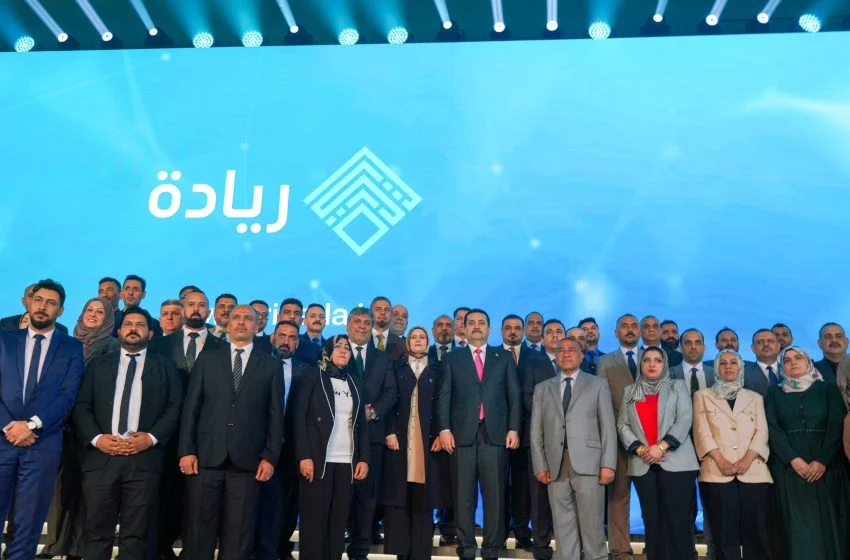
Iraq plans major steps to strengthen entrepreneurship and reduce unemployment through national reform. Therefore, government leaders consider creating a dedicated body to support innovation and self-employment. This approach reflects a shift toward modern economic thinking.
Officials link this proposal to the rapid expansion of the Riyada initiative nationwide. Moreover, the program attracted hundreds of thousands of young participants across Iraq. This strong engagement shows rising interest in entrepreneurship.
Government advisers say sustainability proves the initiative’s real success. Instead of job waiting, young people now focus on opportunity creation. Consequently, entrepreneurship gains importance inside the national economy.
Riyada relies heavily on digital tools to reach youth directly. Therefore, it avoids slow procedures that discouraged participation in the past. This modern approach helped build trust among young Iraqis.
The initiative also targets students at an early stage. Moreover, it introduces entrepreneurial thinking to high school and university learners. This focus helps students turn ideas into real projects.
Officials stress that ideas now matter more than traditional skills. As markets change, creativity drives economic growth. Thus, Iraq entrepreneurship reform focuses on innovation and adaptability.
The initiative developed through long-term planning and clear vision. Leaders aimed to prevent unemployment instead of reacting later. Consequently, entrepreneurship became a strategic priority.
Riyada now operates under an official leadership directorate. Furthermore, authorities plan deeper institutional expansion. This step strengthens coordination and long-term planning.
Entrepreneurship education now enters technical schools nationwide. In addition, universities prepare specialized units for student support. These measures spread entrepreneurial culture across education.
Training programs also target teachers to ensure quality guidance. Therefore, educators gain tools to support innovation. This effort strengthens the learning environment.
Iraq expects entrepreneurship to create large job opportunities. As government hiring declines, private initiatives grow. Thus, Iraq entrepreneurship reform supports economic balance.
The initiative also encourages freelancing and technology-based work. Moreover, youth culture shifts toward innovation and independence. This change supports future growth.
Private sector partnerships play a central role in the plan. Investors and banks support projects through mixed funding models. Therefore, entrepreneurship gains financial backing.
Officials also stress public awareness and local product support. Responsible consumption strengthens local businesses. Ultimately, Iraq entrepreneurship reform links tradition with innovation.