

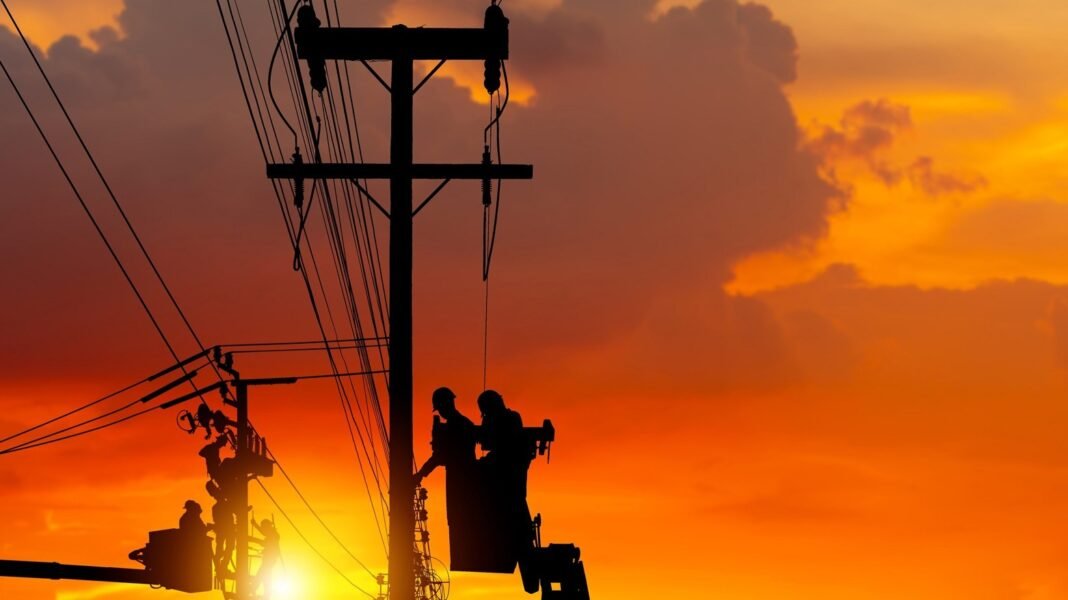
Iraq energy crisis has entered a difficult phase after a major supply halt. Iranian authorities stopped all electricity exports to Iraq. Consequently, power availability faces serious pressure nationwide. Moreover, this decision reflects wider regional and international challenges. Iraq energy crisis now affects planning across the energy sector.
Iranian power officials confirmed a complete suspension of electricity supplies. They cited complex political and economic conditions. Additionally, international pressure influenced the decision. Therefore, electricity flows to Iraq reached zero. Iraq energy crisis worsened as a result.
At the same time, Iran adjusted its regional electricity trade. It began importing power from Turkmenistan and Armenia. Meanwhile, Iran continued limited exports to Pakistan and Afghanistan. However, overall export volumes declined sharply. These changes reshaped regional energy balances.
Iranian officials explained the reasons behind the halt. They pointed to regional instability and diplomatic constraints. Furthermore, they referenced international sanctions and political relationships. In some previous years, exports also stopped during winter. This pattern highlights recurring supply risks.
Meanwhile, cross-border electricity exchange projects remain active. However, progress has slowed significantly. Regional conditions continue to delay implementation. In addition, technical and logistical obstacles affect timelines. As a result, Iraq cannot rely on quick alternatives.
Iraq already faced energy challenges before this halt. Earlier, gas supplies from Iran stopped unexpectedly. This disruption forced several power plants to shut down. Other facilities reduced output to lower levels. Consequently, electricity production dropped sharply.
The gas supply interruption caused major losses. Iraq lost between 4,000 and 4,500 megawatts from the grid. This loss weakened national electricity stability. Moreover, it increased pressure on remaining power stations. Iraq energy crisis intensified across multiple regions.
Iranian gas plays a vital role in Iraqi electricity generation. Many power plants depend directly on imported gas. However, international sanctions complicate payment processes. Therefore, Iraq struggles to secure steady gas flows. These challenges expose structural vulnerabilities.
Iran supplies a significant share of Iraq’s energy needs. Estimates range between one third and forty percent. This dependence creates long-term risks. Consequently, supply disruptions cause immediate national impact. Energy security remains fragile.
During winter, electricity demand rises sharply. Peak consumption reaches about 48,000 megawatts. Meanwhile, domestic production reaches only around 27,000 megawatts. This gap forces Iraq to rely on imports. The current halt widens the deficit.
In response, Iraq has begun diversifying energy sources. Authorities invested in gas capture projects. These projects aim to use flared gas locally. In addition, renewable energy initiatives gained momentum. Solar power projects now appear across several regions.
Moreover, officials stress long-term self-sufficiency goals. They aim to reduce reliance on imports gradually. Infrastructure upgrades remain a priority. However, progress takes time and funding. Short-term challenges still dominate.
Energy experts warn about ongoing risks. They urge faster investment and regional cooperation. Furthermore, they recommend improving grid efficiency. These steps could ease future disruptions. Iraq energy crisis highlights urgent reform needs.
In conclusion, the electricity halt exposed deep structural challenges. Dependence on external suppliers remains high. Although diversification efforts continue, results remain limited. Therefore, Iraq energy crisis demands sustained national action.