

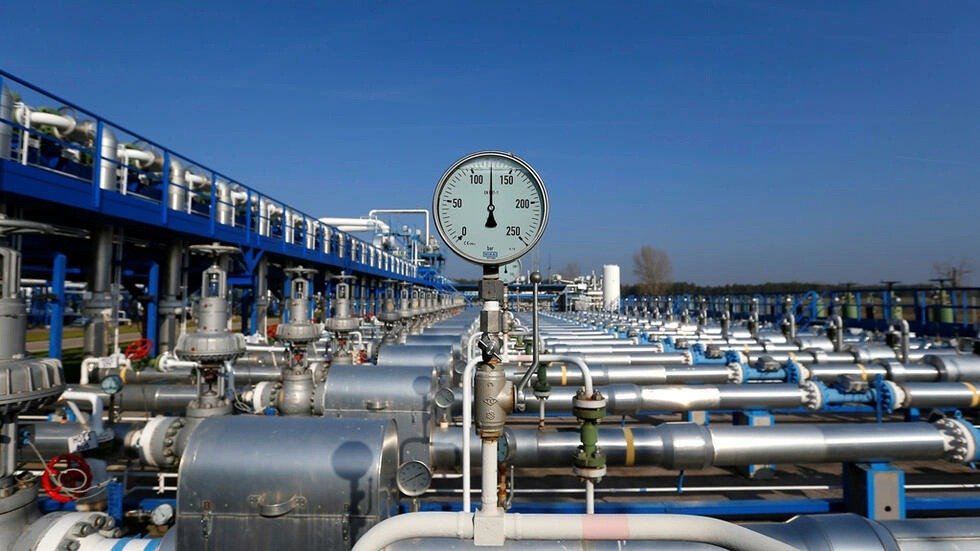
Iraq’s energy crisis deepens as the country faces another major setback due to reduced gas imports from Iran, which are severely affecting national power generation. Authorities now report the loss of 3,800 megawatts across the electricity grid. This sharp decline threatens stability across the country, especially as summer demand intensifies.
The Iraq energy crisis deepened after Iranian gas shipments dropped sharply. Officials confirmed the flow decreased from 55 million cubic meters per day to just 25 million. This sudden drop left many power stations inactive.
Saad Farih, head of the Fuel Directorate at Iraq’s Ministry of Electricity, shared urgent updates. He explained that most affected plants rely heavily on imported gas. As supply fell, entire facilities shut down without warning. The power shortfall continues to spread across provinces.
In response, the Ministry of Electricity began working closely with the Ministry of Oil. Their teams now use domestic fuels to power select plants. Engineers have started switching some systems to alternative fuels where possible. These quick moves aim to ease pressure on the power grid.
Minister of Electricity Ziyad Ali Fadel recently highlighted the severity of the shortage.As well as Iraq, he said, currently produces 27,000 megawatts, but the national demand stands at 48,000. So The gap leaves millions vulnerable to outages during extreme heat.
Fadel stressed that the government is now focusing on long-term solutions. One key part of the strategy involves increasing local fuel use in power plants. This shift could reduce dependency on unstable imports and prevent future disruptions.As well as Officials also plan to expand renewable energy options and upgrade aging infrastructure.
The Iraq energy crisis reflects years of reliance on foreign gas supplies. Repeated interruptions from Iran continue to expose serious risks. Domestic solutions now seem more urgent than ever.
Despite these challenges, officials still believe Iraq can build a stable and self-reliant electricity system. New local projects are in development to support this transition. By using Iraqi-produced fuel and improving production efficiency, the country may soon move toward energy independence.
Power officials now push for faster reforms. They call for increased investment in fuel extraction, pipeline infrastructure, and clean energy. These efforts may help reduce the risk of future shortages and strengthen national energy security.
The Iraq energy crisis remains a key issue for both policymakers and citizens. Its resolution will depend on how quickly the country can move toward sustainable, locally powered solutions.