

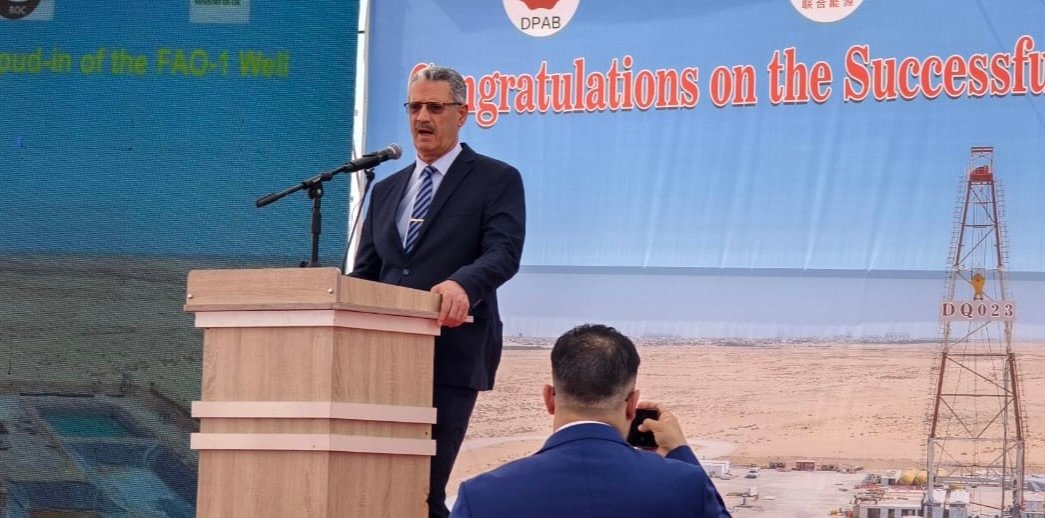
Iraq is accelerating its energy production with key projects in Basra and Kirkuk. The government aims to increase oil and gas output while attracting international expertise. Oil Minister Hayyan Abdul Ghani emphasized that these projects will strengthen Iraq’s role in global energy markets.
The Fao-1 well, planned to reach 4,126 meters, will access three major reservoirs: Al-Zubair, Artawi, and Al-Yamama. Abdul Ghani noted that Iraq intends to replenish depleted reserves and expand new ones. The country also seeks to draw skilled labor under international standards.
In Basra, four critical projects are advancing rapidly. The Artawi oil field is expected to produce 210,000 barrels per day. A gas investment project is underway, alongside a long-awaited seawater initiative. Additionally, the 1,000-megawatt solar energy program, “Basra Sun,” will roll out in four phases, with the first phase starting soon. These initiatives will increase Iraq’s energy capacity and create sustainable infrastructure.
Meanwhile, in Kirkuk, Iraq signed a major agreement with British energy firm BP. The deal covers four key oil fields and aims to eliminate gas flaring by 2029. Abdul Ghani explained that Iraq is transitioning from being only a gas producer to becoming a gas exporter. This shift will improve efficiency and revenue while supporting environmental goals.
Earlier today, Iraq began drilling the first border well in Fao. This step will unlock additional oil and gas resources. The projects in Basra and Kirkuk highlight Iraq’s commitment to energy growth, infrastructure development, and international partnerships. By combining oil, gas, and solar energy strategies, Iraq strengthens its position as a regional energy leader.
Iraq energy projects expansion demonstrates a clear plan for sustainable growth. The Basra and Kirkuk projects ensure future production, attract international investment, and support long-term energy security.