

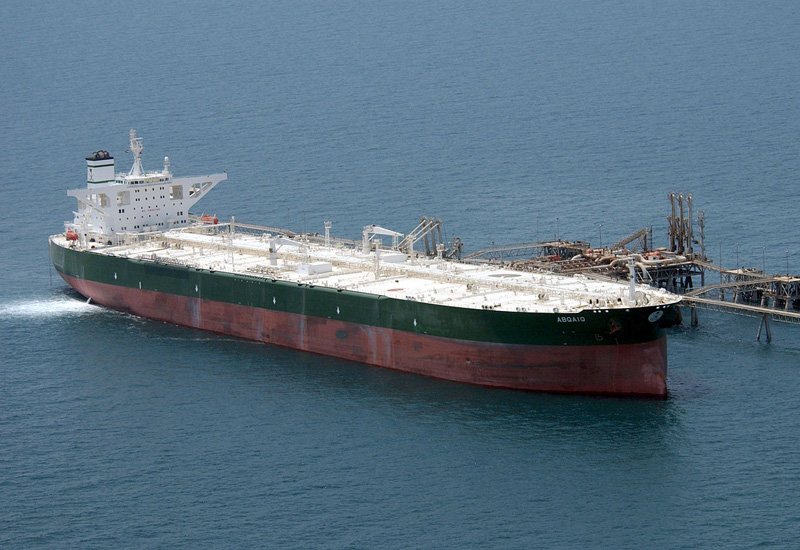
Iraq now faces a serious economic shock. The Iraq economy crisis grows as conflict in the Gulf disrupts oil exports. The closure of the Strait of Hormuz now threatens the country’s financial stability.
First, Iraq relies heavily on crude oil sales. Oil exports provide around 90 percent of the national income. Therefore, any disruption quickly damages the country’s economy.
Currently, the Iraqi economic crisis worsens because oil exports have nearly stopped. Regional conflict has blocked tanker movement through the Strait of Hormuz. As a result, Iraqi crude struggles to reach international markets.
Previously, Iraq exported about 3.5 million barrels of oil daily. These exports moved mainly through southern ports in Basra. However, shipping disruptions now limit most export routes.
Experts report that about 94 percent of Iraqi oil exports cannot pass through the Strait. This sudden shutdown exposed major weaknesses in the country’s export system. Consequently, energy infrastructure struggles to handle sudden disruptions.
Meanwhile, production across several oil fields slowed significantly. Drone attacks targeted energy facilities in southern Iraq. Because of security risks, some international oil companies paused operations.
At the same time, onshore oil storage facilities quickly reached maximum capacity. When storage tanks fill completely, producers must reduce output. Therefore, authorities shut down production at several large oil fields.
Despite these disruptions, Iraq still produces around 1.4 million barrels of oil per day. Most of this oil now supplies domestic refineries and local fuel demand. However, exports remain extremely limited.
The Iraqi economic crisis now threatens public finances. The government depends heavily on oil revenue to fund its budget. Consequently, a drop in exports reduces national income significantly.
Officials warn that the financial impact may appear gradually. Oil revenues normally reach the government after several months. Therefore, the full economic effect could appear later.
Another concern involves public salaries and social benefits. The Iraqi government remains the country’s largest employer. More than nine million citizens receive salaries, pensions, or public assistance.
Because of this structure, budget shortages could affect millions of households. The Iraqi economic crisis, therefore, creates serious social risks.
Furthermore, Iraq relies on oil revenue to generate foreign currency. This currency helps pay for imported goods and services. Consequently, declining exports could pressure the national currency.
Economic analysts also warn about pressure on foreign reserves. If exports remain low, the foreign currency supply may shrink. As a result, exchange rate stability could face new challenges.
Meanwhile, authorities search for alternative export routes. Officials plan to use a pipeline connecting northern Iraq to Turkey. This route reaches the Turkish port of Ceyhan.
Energy officials hope to export around 200,000 barrels per day through this pipeline. In addition, Kurdish oil exports could resume at about 210,000 barrels per day.
However, these alternatives remain limited. Combined exports through these routes represent only a small share of previous volumes. Therefore, the Iraq economy crisis may continue if disruptions persist.
Political negotiations also complicate these plans. Kurdish leaders want financial agreements with Baghdad before restarting exports. Specifically, they request easier access to foreign currency for imports.
Consequently, negotiations continue between both sides. A final agreement could help restore part of the export system.
Ultimately, the Iraqi economic crisis shows how strongly the country depends on oil exports. A prolonged disruption in the Strait of Hormuz could reshape Iraq’s economy and energy sector.