

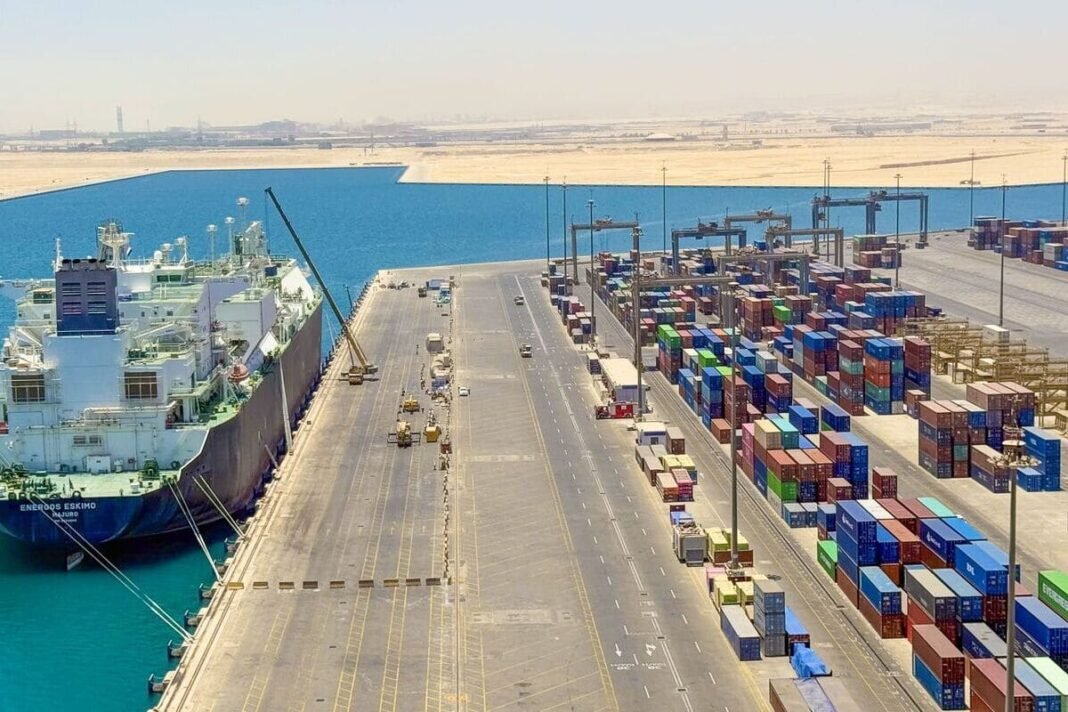
Iraq plans a new sea connection between Basra and Dubai to strengthen regional trade. Therefore, transport leaders focus on faster movement and lower costs. Moreover, this initiative supports long term economic cooperation. Officials view maritime transport as a strategic priority. As a result, planners push forward with confidence. The Iraq Dubai maritime route reflects this national direction.
Umm Qasr Port stands as Iraq’s main commercial seaport. Consequently, authorities selected it as the departure point. The port handles most imported goods entering the country. In addition, it connects directly with inland transport networks. Therefore, officials see strong logistical advantages. This location strengthens trade efficiency.
Dubai’s Port Rashid serves as a major regional logistics hub. Thus, Iraqi planners chose it as the destination point. The port manages large cargo volumes daily. Moreover, it links Gulf trade with global markets. This choice ensures smooth cargo handling. It also supports regional integration.
The service uses a modern roll on roll off vessel. Operators rely on DP World Express for this task. The ship carries trailer trucks with drivers onboard. Therefore, cargo moves without unloading delays. In addition, transport companies gain faster turnaround times. This setup improves reliability.
Transit time represents a major advantage of the route. Overland transport requires long journeys across borders. In contrast, the sea route shortens travel significantly. Consequently, traders save time and fuel costs. Moreover, goods reach markets faster. This efficiency boosts competitiveness.
The Iraq Dubai maritime route supports trade with neighboring countries. Turkey and Oman benefit from improved access. Therefore, regional supply chains gain flexibility. Businesses enjoy predictable delivery schedules. In addition, logistics firms reduce operational risks. These benefits encourage investment.
The General Company for Ports supports the initiative strongly. Managers prepare port facilities for smooth operations. Accordingly, teams upgrade handling systems. They also organize traffic flow for trailers. This preparation ensures safety and efficiency. It also avoids congestion.
Officials emphasize reduced reliance on land transport. Therefore, roads face less pressure and congestion. Moreover, transport risks decrease. Drivers experience safer journeys. Companies gain better planning options. This shift supports sustainable transport goals.
Southern ports gain stronger regional relevance through this route. Consequently, Iraqi ports improve their competitive position. Trade volumes increase steadily. In addition, service diversity expands. This growth strengthens national logistics capacity.
Cargo handling performance already shows strong momentum. Ports manage millions of tons efficiently. Operators coordinate ship arrivals carefully. As a result, turnaround times improve. These conditions support new services easily.
The Iraq Dubai maritime route also supports job creation. Port operations require skilled workers. Transport services need drivers and technicians. Therefore, employment opportunities expand locally. This impact supports economic stability.
Business leaders welcome improved maritime options. Faster delivery supports market confidence. Moreover, reduced costs improve profit margins. Small and large traders benefit equally. This balance strengthens the economy.
Authorities continue coordination with regional partners. Therefore, the route gains operational stability. Planning focuses on consistency and reliability. These factors attract long term users. Confidence grows steadily.
The Iraq Dubai maritime route signals a shift toward modern logistics. It connects Iraq directly with major Gulf markets. Moreover, it supports regional trade integration. This initiative marks a practical economic step forward.