

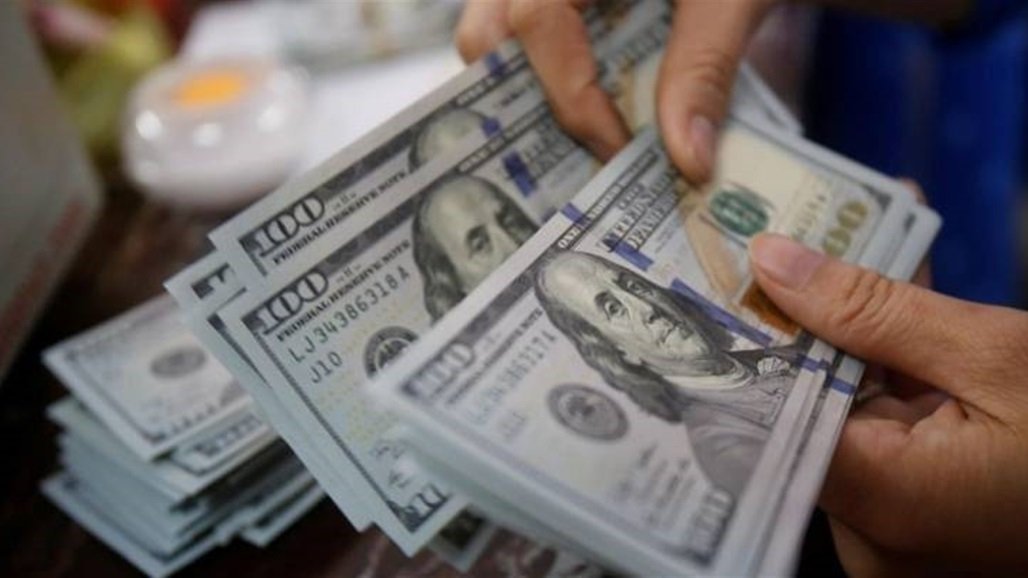
Iraq dollar rate showed a mild decline as trading opened in major city markets. Moreover, currency dealers noticed calmer demand and steadier flows. As a result, traders adjusted prices across exchange shops.
In Baghdad, market screens showed lower dollar values early in the day. Therefore, dealers reacted quickly to overnight signals. Consequently, prices moved down slightly across popular trading areas.
Al-Kifah exchange led morning activity in the capital. Additionally, Al-Harithiya followed the same pricing trend. Both markets reflected a softer dollar tone.
Traders quoted 153,000 dinars for every 100 dollars. Previously, prices stood higher during the last session. Hence, buyers welcomed the small change.
Exchange shops in Baghdad adjusted retail prices soon after opening. Furthermore, sellers offered dollars at 153,500 dinars. Buyers paid 152,500 dinars for the same amount.
Meanwhile, Erbil markets mirrored the capital’s movement. Moreover, traders there followed Baghdad prices closely. This link helped maintain market balance.
In Erbil, sellers priced the dollar at 154,600 dinars per 100 dollars. At the same time, buyers offered 154,500 dinars. The spread remained narrow.
Currency dealers described the change as limited but noticeable. Additionally, they expected stable movement during the day. Traders avoided sharp speculation.
Market observers linked the shift to improved dollar supply. Furthermore, local demand showed no sudden spikes. These factors supported price easing.
Small traders expressed cautious optimism. Moreover, they welcomed calmer trading conditions. Stable prices helped daily business planning.
Importers watched rates closely throughout the session. Therefore, they delayed major purchases temporarily. This behavior reduced pressure on demand.
Retail customers also reacted calmly. Additionally, many postponed currency exchanges. This pause supported gradual price adjustment.
Financial analysts highlighted regional market coordination. Moreover, Baghdad and Erbil often move together. This pattern strengthens pricing confidence.
Some traders expected further mild changes soon. However, they predicted no sharp swings. Market sentiment stayed balanced.
Economic activity in both cities influenced trading pace. Furthermore, business payments remained steady. This stability limited volatility.
Iraq dollar rate continues to reflect local supply and demand. Moreover, market discipline helped prevent sudden jumps. Traders favored cautious strategies.
As trading continued, dealers monitored regional signals. Therefore, they prepared for any quick changes. Still, expectations remained calm.
Currency movement often affects consumer confidence. Additionally, stable rates support trade planning. This trend encouraged steady market behavior.
Iraq dollar rate movements stayed within a narrow range. Moreover, traders avoided aggressive positions. Confidence guided daily decisions.
Overall, markets in Baghdad and Erbil showed controlled trading. Furthermore, cooperation between dealers supported balance. The session ended with steady sentiment.