

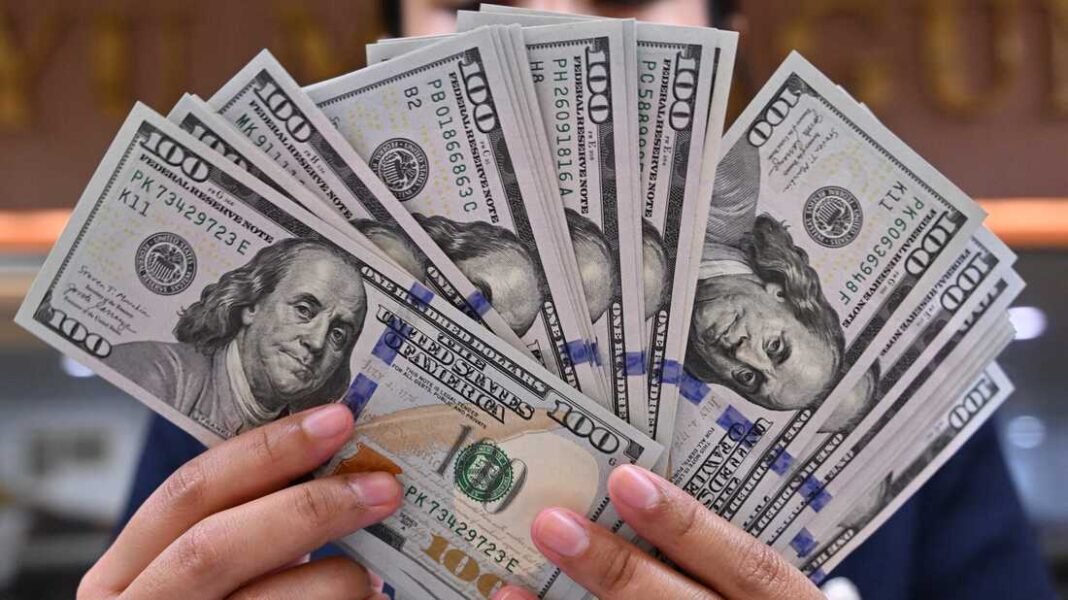
Dollar prices in Iraq edged higher, reflecting increased demand and market activity in Baghdad and Erbil. Traders reported that the US Dollar strengthened against the Iraqi dinar in local markets. At the opening of Baghdad’s central Al-Kifah and Al-Harithiya stock exchanges, the exchange rate settled at 143,050 IQD per 100 dollars, up from 142,750 IQD previously.
Currency exchange shops in Baghdad set the selling rate at 144,000 IQD per 100 dollars, while buyers paid 142,000 IQD. These consistent rates offered guidance for both individuals and investors, allowing them to plan currency transactions effectively. The gradual rise demonstrates the dinar’s modest adjustment and the market’s sensitivity to demand fluctuations.
In Erbil, the US Dollar also experienced upward movement. Traders recorded a selling rate of 143,000 IQD per 100 dollars and a buying rate of 142,900 IQD. Market participants noted that this small increase reflects normal market dynamics rather than major economic disruptions. The stability of prices helps prevent sudden shocks and supports confidence among local businesses and residents.
The incremental increase encourages careful monitoring by both traders and financial institutions. Currency exchange shops report steady customer activity, as buyers and sellers respond to the minor changes. Analysts suggest that such fluctuations are typical in Iraq’s cash-based markets, particularly in Baghdad and Erbil, where demand for dollars influences short-term pricing.
Overall, Iraq’s dollar market shows minor upward adjustments but remains stable enough for predictable trading. Traders and investors can continue their operations without fear of sudden volatility. The US Dollar’s movement highlights the importance of maintaining liquidity and monitoring exchange rates regularly to plan business, travel, and investment decisions.
Dollar prices in Iraq increased slightly in Baghdad and Erbil, reflecting a modest upward trend in the local currency market. The exchange rates remain predictable, giving traders and buyers confidence to plan their transactions carefully. This stability allows businesses, investors, and individuals to make informed decisions regarding currency exchange, imports, and daily expenses. Market observers note that such gradual changes are normal and do not indicate major economic disruptions.