

Iraq is moving forward with its $17 billion Development Road Project. Officials describe it as the backbone of a new non-oil economy. The project will link the Gulf to Europe, reshape regional trade, and create massive investment opportunities.
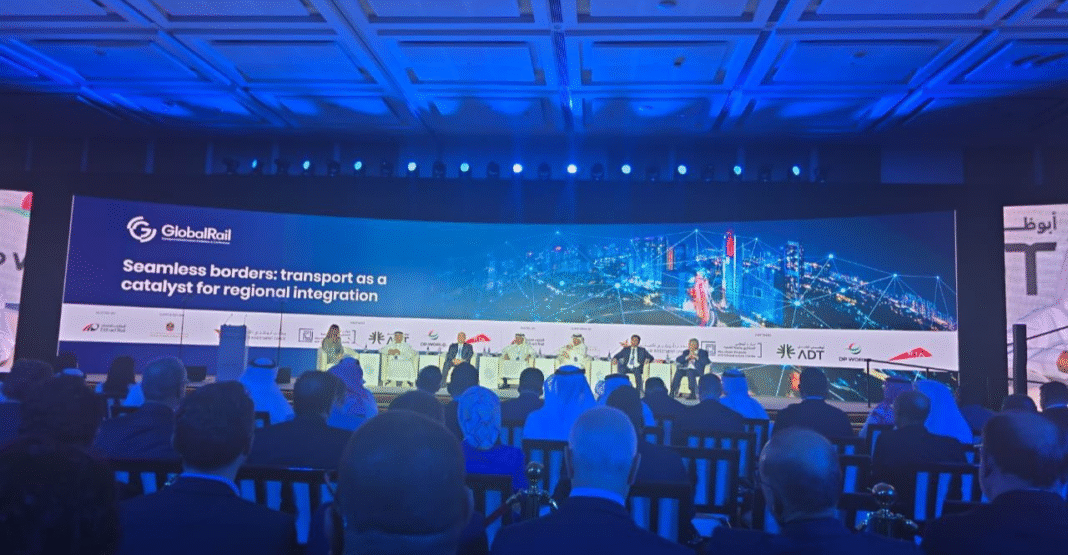
Transport Minister Razzaq Muhaibis al-Saadawi outlined the project at the Global Rail 2025 exhibition in Abu Dhabi. He called the Development Road “a lifeline that carries jobs and investment, not just freight.” He explained that modern rail systems cut costs, improve supply chains, and boost competitiveness. Iraq wants to achieve similar outcomes by placing rail at the center of this plan.
The Development Road Project will stretch 1,200 kilometers from southern Iraq to Turkiye. It will include both an electrified railway and a high-speed highway. Construction will unfold in three phases through 2050. Officials expect the first phase alone to create more than 100,000 jobs.
For decades, Iraq has depended on oil exports for over 90 percent of its revenue. This reliance has shaped the country into a rentier economy. As a result, Iraq faces severe exposure to global oil price swings. Sharp declines often force spending cuts and limit essential services. In addition, heavy dependence on oil has restricted private-sector growth and created high unemployment among youth.
The Development Road Project aims to change this trajectory. By diversifying revenue and boosting trade, Iraq hopes to reduce its reliance on oil. The project could also attract foreign investment, enhance logistics, and connect Iraq to global supply chains.
Moreover, economists see the Development Road as a test of Iraq’s long-term vision. If successful, it may transform Iraq into a regional transport hub. Strong infrastructure could encourage manufacturing, expand services, and create sustainable jobs. These steps would strengthen resilience against oil market shocks.
However, challenges remain. The project requires stable funding, strong governance, and regional cooperation. Without effective management, delays could slow progress. Yet, officials remain confident. They believe the Development Road Project will mark the start of a non-oil economy.
In summary, Iraq is betting $17 billion on the Development Road Project. Leaders see it as the pathway to reduce oil dependence, create jobs, and secure a diversified economic future.