

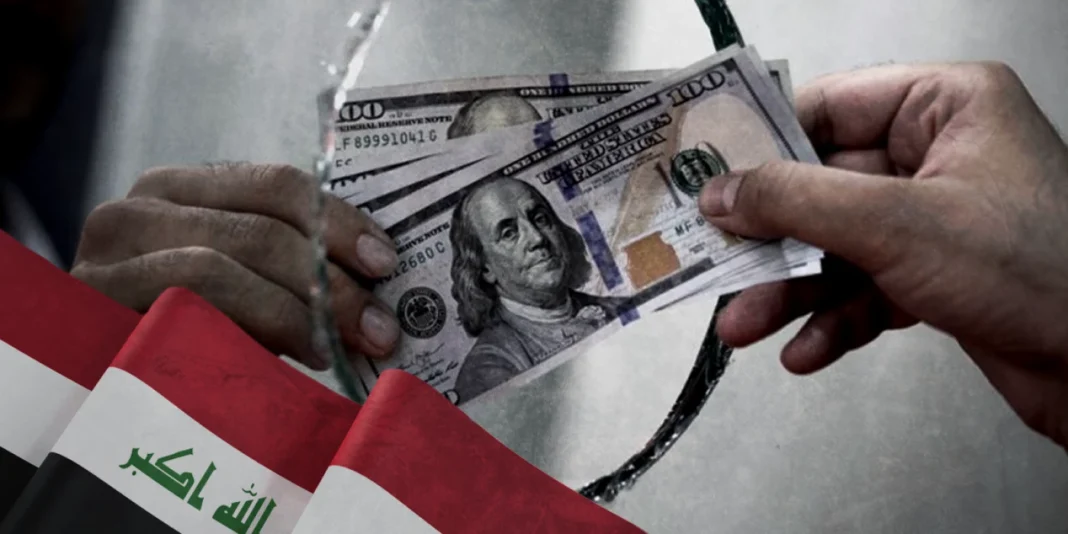
Iraq tracks its currency market closely and connects each update to a broader pattern called Iraq Currency Trend Shift. The US dollar gains strength in Baghdad, yet the rate moves lower in Erbil. This contrast creates interest among traders because both cities influence national trading behavior. Iraq studies every change because currency movement affects daily life and business decisions.
Baghdad markets open with higher dollar prices. The main exchanges record a rise from the previous session. Traders note small shifts, yet they still signal active demand. The rate climbs to 143,000 dinars for every hundred dollars. This increase encourages currency sellers to watch market flow carefully. The Iraq Currency Trend Shift shows clear movement and pushes traders to adjust strategies.
Local exchange shops in Baghdad show stable numbers. Sellers list the rate at 143,500 dinars for every hundred dollars. Buyers offer 142,500 dinars. The narrow gap reflects calm behavior among traders. Many customers prefer small transactions, while others wait for larger moves. Currency owners track these values because small changes impact household spending.
Meanwhile, Erbil shows the opposite pattern. The dollar moves slightly lower across the city’s markets. Sellers list 141,800 dinars for every hundred dollars. Buyers offer 141,650 dinars. Traders in Erbil read the situation carefully because their market often reacts differently than Baghdad. The Iraq Currency Trend Shift highlights this split and encourages more short-term analysis.
Market watchers point to several reasons for these movements. First, Baghdad sees higher business activity in the middle of the week. This pattern increases demand for dollars. Second, Erbil traders expect new cash supplies and adjust their prices. This expectation often lowers rates before new shipments arrive. Iraq studies these conditions to understand regional differences more clearly.
Moreover, customers across both cities follow these updates because the exchange rate affects food prices, travel expenses, and import costs. Businesses also watch the market because they buy goods in dollars. Any change influences profit margins and pricing plans. Iraq uses detailed monitoring to support financial stability and guide future policy decisions.
Additionally, traders discuss global currency trends. The international dollar shows steady strength, and this pattern influences local pricing. Oil revenue also plays a major role. Strong prices support the dinar, while lower prices increase demand for dollars. Iraq reviews oil market signals as part of its daily economic planning.
The government continues to evaluate financial tools to support currency stability. Officials hold meetings with banks, exchange firms, and local traders. They share updates and encourage responsible market behavior. Iraq believes that clear communication reduces confusion and strengthens confidence in the financial system.
The Iraq Currency Trend Shift shapes every discussion about dollar movement. Iraq expects more small changes throughout the week and continues to monitor market reactions. Traders in Baghdad and Erbil remain alert as they prepare for further shifts.