

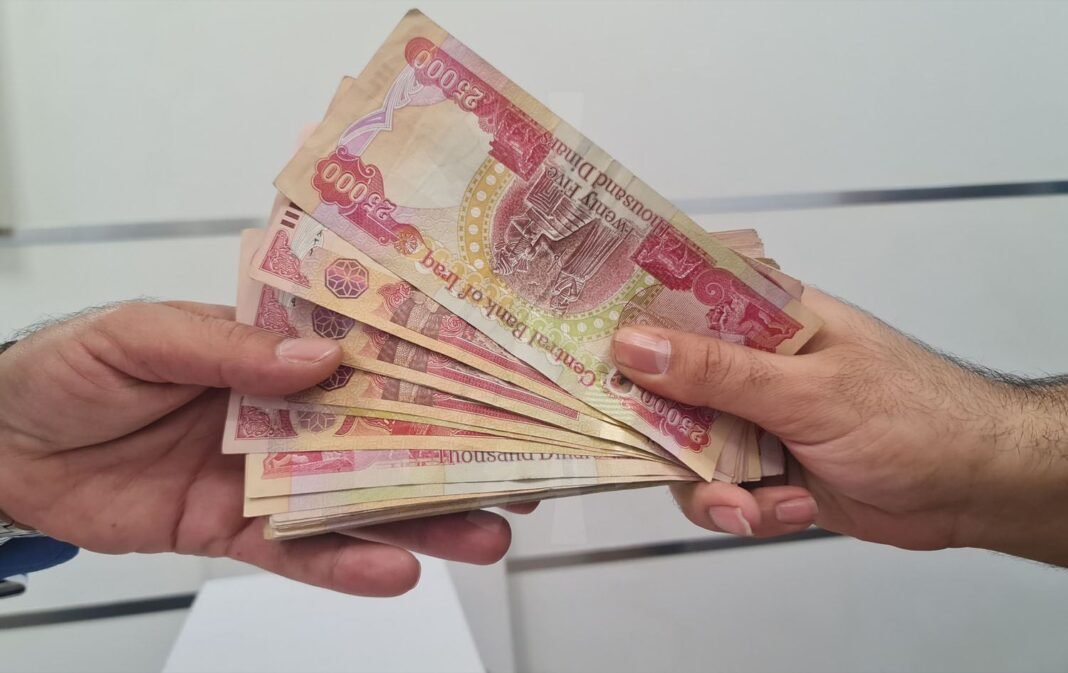
The Iraqi corruption case has drawn international attention. The World Bank imposed sanctions on a Turkish company after investigators confirmed misconduct in Iraq. The decision highlights ongoing efforts to fight corruption in global development projects.
First, the World Bank announced a sanction against the Turkish company Aktif Elektroteknik Sanayi ve Ticaret A.S. Investigators found evidence of corrupt and fraudulent practices linked to a project in Iraq. Therefore, authorities decided to impose strict disciplinary action.
As a result, the institution issued a debarment with conditional release. The sanction blocks the company from participating in projects financed by the World Bank. Consequently, the company cannot compete for contracts during the sanction period.
Officials confirmed that the minimum debarment period will last one year and three months. After this time, the company may request reinstatement. However, the firm must meet strict compliance conditions before returning to eligible project activities.
The Iraq corruption case centers on procurement activities connected to a World Bank-funded contract. Investigators discovered undisclosed payments linked to public officials involved in the procurement process. These actions violated rules governing transparent contracting.
Because of these findings, the sanctions committee reviewed the case carefully. Officials evaluated evidence related to corrupt and fraudulent conduct during the project’s implementation. As a result, the investigation confirmed violations of procurement guidelines.
The World Bank maintains strict rules against corruption in development projects. Companies that violate these rules often face strong penalties. Therefore, debarment serves as an enforcement tool to protect project integrity.
The Iraq corruption case also demonstrates how international financial institutions monitor development spending. These organizations finance projects that support infrastructure and economic growth. Consequently, strict oversight remains essential to ensure transparency.
Furthermore, investigators concluded that the company failed to disclose payments connected to the procurement process. Such undisclosed transactions raise serious concerns about fairness and accountability. Therefore, the sanctions board treated the case as a violation of anti-corruption standards.
In addition, officials reviewed several sanctioning factors before issuing the final decision. These factors included the severity of the misconduct and the company’s actions during the investigation. After reviewing the evidence, the board determined that debarment represented an appropriate response.
The Iraq corruption case also emphasizes the importance of compliance systems within companies. Businesses working on international projects must follow strict ethical guidelines. Failure to comply can lead to financial penalties and reputational damage.
Meanwhile, the conditional release component allows the company to regain eligibility in the future. However, the firm must demonstrate strong compliance improvements. This process typically includes implementing anti-corruption policies and internal monitoring systems.
International development institutions use such measures to promote accountability. Debarment policies also discourage companies from engaging in illegal practices. Therefore, these sanctions help protect public resources used in development projects.
Overall, the Iraq corruption case reflects the continued effort to maintain transparency in international procurement. Strong enforcement measures ensure that companies follow ethical business practices when participating in global development programs.