

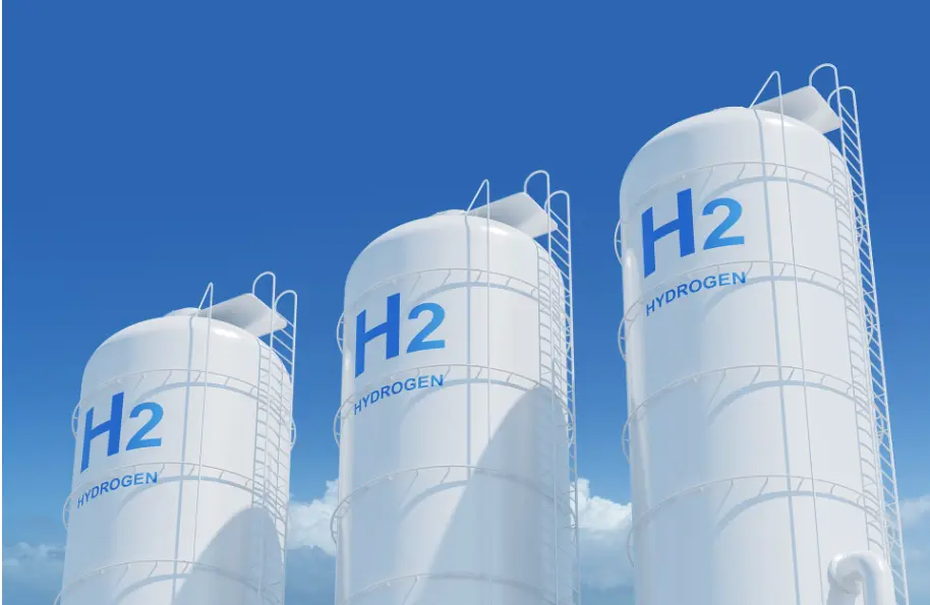
Iraq strengthens its energy vision as the Iraq clean hydrogen plan gains wider attention.As well as, The National Investment Commission organizes a workshop in Baghdad to explain new ideas and future steps. Officials, advisers, and experts attend the session and offer detailed insights. Moreover, the meeting supports stronger cooperation among ministries and academic institutions.
Government advisers join energy specialists to study Iraq’s progress toward cleaner fuels. They examine the country’s growing interest in green hydrogen and blue hydrogen.However, They also discuss blue ammonia as a promising export product. These discussions help Iraq prepare a strong climate strategy for the coming years. The commission highlights how the Iraq clean hydrogen plan supports national growth and reduces long-term risks.
Iraq aims to reduce its dependence on traditional fuels. Officials describe a clear goal to diversify energy sources. They explain that cleaner energy creates more balance between oil production and sustainable development. Furthermore, they expect hydrogen projects to support economic reforms and create new investment paths. They also encourage cooperation with global partners for technology and research.
A German energy expert, Philipp Steiner, presents Iraq’s progress in energy transition planning. He explains how Iraq benefits from its natural resources and strategic location. He also stresses the importance of blue ammonia and green hydrogen in future regional transport networks. His presentation motivates local experts to explore more opportunities within the Iraq clean hydrogen plan.
Participants also study environmental concerns. In addition, They examine rising carbon dioxide levels and their impact on major cities, especially Baghdad. Specialists outline several approaches that reduce pollution and protect public health.Additionally, They also review ongoing government efforts that aim to lower environmental pressure through cleaner projects and smarter planning. These ideas support stronger environmental responsibility across the country.
The commission showcases its own experience with a local blue ammonia project. This project now reaches an advanced stage and moves toward an investment licence. The commission continues coordination with involved ministries to prepare a national climate investment plan. The Prime Minister’s Office already confirms support for this direction. These steps strengthen confidence in Iraq’s move toward modern energy solutions.
Iraq now builds a clearer vision for its future. The government encourages development in renewable sectors and supports international partnerships. Experts believe these efforts create new economic opportunities and reduce reliance on older systems. With careful planning, Iraq hopes to shape a cleaner, more stable, and more competitive energy sector. The Iraq clean hydrogen plan guides this transformation and supports long-term national goals.