

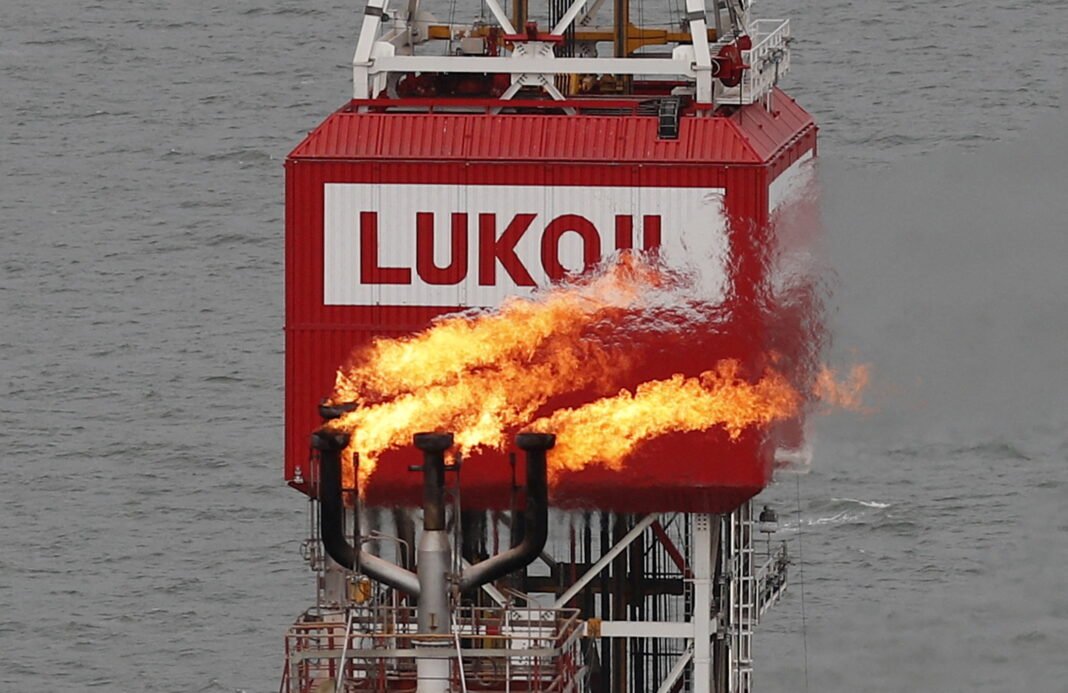
Iraq has canceled three crude oil cargoes belonging to Russia’s Lukoil amid rising concerns about Western sanctions. The move underscores growing caution within Baghdad’s energy sector as it navigates the complex geopolitical landscape surrounding Russian oil.
According to Reuters, Iraq’s decision affects Iraq Lukoil oil shipments scheduled since early November. The cancellations were reportedly linked to sanctions imposed by the United States and the United Kingdom on the Russian energy giant. These measures have complicated financial and logistical dealings for companies engaged in global oil trade with Russian entities.
The State Oil Marketing Organization (SOMO) suspended the loading of Lukoil’s share from the West Qurna-2 oil field. Lukoil operates this field under a long-term development contract with Iraq’s Ministry of Oil. SOMO scheduled the shipments to load on November 11, 18, and 26, with each cargo contributing to Iraq’s regular export volumes through the Basra terminal.
Lukoil remains one of Iraq’s largest foreign energy investors. The company has been active in the Basra region since 2014, developing the West Qurna-2 field, one of the world’s largest oil reserves. The suspension of Iraq Lukoil oil shipments marks a rare disruption in an otherwise stable cooperation between Baghdad and the Russian firm.
Iraq’s Ministry of Oil has not issued any official comment regarding the cancellations or their possible impact on production schedules. However, analysts believe that SOMO’s move reflects a precautionary approach to avoid potential financial or legal risks tied to Western sanctions enforcement.
Industry observers note that the decision could temporarily affect Iraq’s export planning. Yet, alternative shipment allocations are likely to keep overall output steady. Iraq’s broader strategy remains focused on maintaining export stability while balancing its international partnerships.
The cancellations come as global energy markets continue to feel the impact of geopolitical tensions and evolving sanctions frameworks. For Iraq, the challenge lies in preserving vital trade relationships while adhering to international compliance standards.
As the situation unfolds, both Baghdad and Moscow are expected to assess future steps carefully. The outcome could shape the direction of Iraq Lukoil oil shipments and broader cooperation in Iraq’s oil sector.