

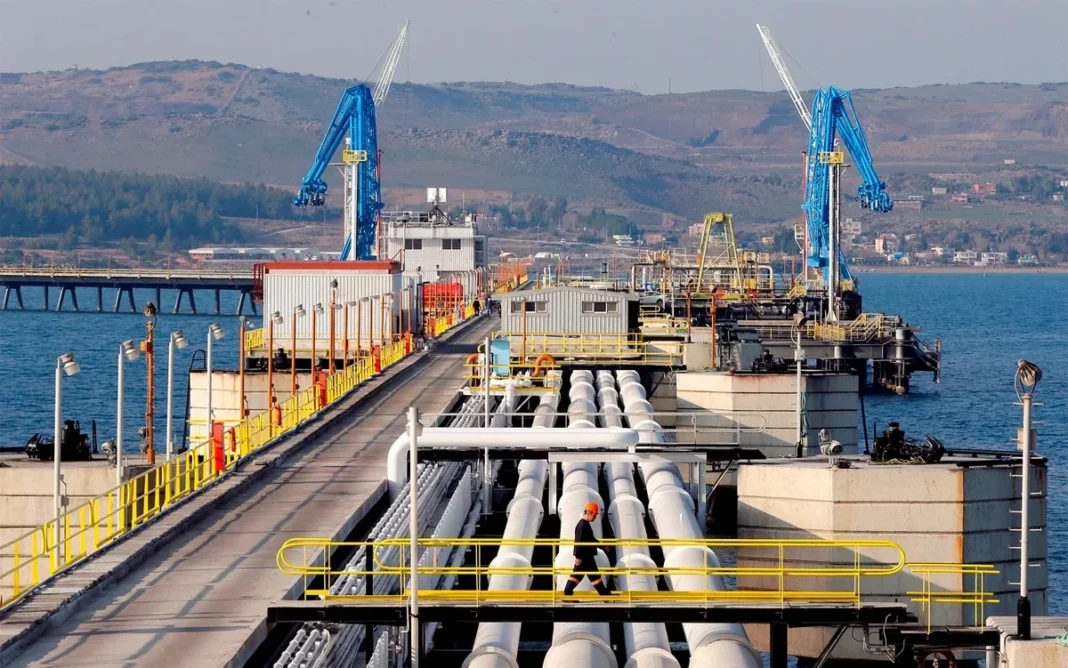
Iraq is increasing its oil exports through the Turkish port of Ceyhan as it adapts to regional disruptions. The country plans to add 90,000 barrels per day, bringing total exports through the Iraq-Turkey pipeline to 340,000 barrels per day. This move aims to stabilize supply routes and maintain Iraq’s presence in global markets.
Baghdad confirmed that crude oil from central and southern regions will be transported to the K1 storage facility in Kirkuk. At this facility, operators will combine the supply with approximately 250,000 barrels per day from the Kirkuk fields. After blending, the pipeline will carry the crude to Turkey for export.
This increase follows important upgrades at the storage facility. The North Oil Company installed new booster pumps to improve capacity and efficiency. Engineers tested the equipment to ensure a steady flow of oil through the system. These improvements now allow Iraq to transport larger volumes through the northern route.
Iraq has shifted its focus to the northern pipeline after disruptions affected southern export terminals. Regional conflict has significantly impacted maritime routes, especially through the Strait of Hormuz. This waterway normally handles around 20 percent of global oil supply.
As a result, Iraq has experienced a sharp decline in both production and exports. Oil output has dropped from about 3.5 million barrels per day to nearly 1.3 million barrels per day. At the same time, exports have fallen to roughly 800,000 barrels per day. These losses have forced authorities to act quickly and find alternative routes.
The Basra Oil Company has also reduced production significantly. Output has declined to around 900,000 barrels per day after southern ports stopped operating. This situation highlights the serious impact of regional instability on Iraq’s energy sector.
Officials stress the importance of maintaining stable export flows. Oil revenues remain essential for Iraq’s economy, so increasing exports through Ceyhan helps offset losses from the south. This strategy also supports financial stability during a challenging period.
Overall, Iraq’s decision to expand exports through Ceyhan shows flexibility in managing a crisis. It highlights the value of infrastructure upgrades and regional cooperation. It also demonstrates the importance of diversifying export routes during times of conflict.
In conclusion, Iraq continues to adjust its oil strategy under pressure. The northern route through Turkey now plays a key role in keeping exports active and ensuring continued access to global markets.