

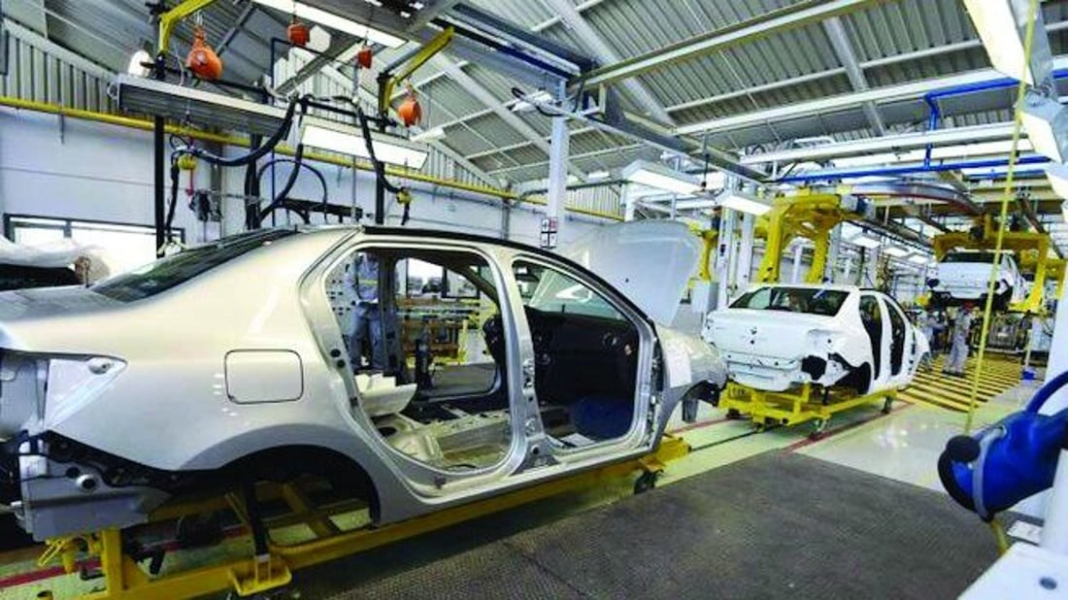
Iraq pushes to localize automobile industry by developing full-scale assembly infrastructure. The move aims to reduce imports and boost industrial investment. Moreover, it supports economic diversification and job creation across the country.
The Ministry of Industry and Minerals revealed that the General Company for Automotive and Equipment Industry partnered with Iraqi and UAE companies. Together, they will establish an integrated automobile assembly system.
Iraq pushes to localize automobile industry to produce buses, trucks, passenger vehicles, and specialized machinery. Officials say the project will increase domestic production capacity. It will also reduce dependency on foreign imports, strengthening Iraq’s industrial base.
Dana Saeed, director of the State Company for Automotive Industry (SCAI), said the initiative aligns with national policies. The policy focuses on local production, creating jobs, and promoting economic diversification.
Earlier this year, SCAI completed assembly of 360 single-cabin Kia field vehicles. These vehicles were fully assembled by Iraqi workers at the Babylon Car Production Plant. The process involved eight key stages, including body assembly, technical checks, and final quality testing.
Iraq pushes to localize automobile industry while collaborating with South Korea’s Kia Motors. As well as, The partnership allowed Iraqi workers to gain hands-on experience in vehicle manufacturing. Experts say this builds long-term capacity for the local automotive sector.
The Iraqi Ministry of Trade announced agreements with automakers from Germany, China, and Brazil. The agreements aim to establish additional assembly lines in Iraq. This supports the ‘Made in Iraq’ initiative, providing affordable and environmentally friendly vehicles.
Officials highlight that the project will employ local workers in production, technical, and management roles. They also plan to expand vehicle types to meet domestic demand. Analysts expect that localized production could reduce vehicle costs and increase availability.
The initiative marks a major step toward Iraq’s industrial modernization. By combining foreign expertise with local labor, the government expects faster technology transfer. Moreover, it demonstrates Iraq’s commitment to self-reliance in key manufacturing sectors.
Overall, Iraq pushes to localize automobile industry to create jobs, reduce imports, and strengthen its economy. Observers now watch the development of assembly lines and the rollout of locally produced vehicles.