

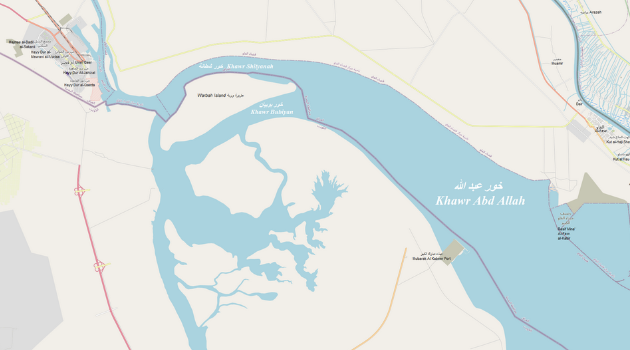
Iraq and Kuwait are working to ease tensions over the Khor Abdullah waterway, a vital route that connects the two nations through trade and maritime borders. The dispute has re-emerged as both countries try to balance sovereignty, cooperation, and regional diplomacy. The renewed talks may set a strong example of how diplomacy can turn regional challenges into opportunities for peace.
Therefore, the Khor Abdullah waterway holds significant importance for Iraq and Kuwait. It serves as a gateway for trade and energy transport, linking both nations to the wider Gulf. However, Iraq’s Federal Supreme Court recently annulled a 2012 treaty that had defined the waterway boundaries, sparking new diplomatic friction. This decision reignited questions about sovereignty and mutual trust between the two neighbors.
Iraq’s renewed interest in resolving the Khor Abdullah waterway dispute reflects its broader regional ambitions. The country wants to strengthen relations with its Gulf partners and diversify its economy beyond oil. At the same time, Kuwait aims to protect its maritime interests while maintaining a stable partnership with Baghdad.
Both nations now face a choice. They can continue disputes that slow economic progress, or they can use the Khor Abdullah waterway as a model for regional diplomacy. With ongoing dialogue, shared economic goals, and mutual respect, Iraq and Kuwait could transform a disagreement into an example of cooperative problem-solving.
The Gulf region watches closely, as the outcome may influence other boundary and trade negotiations. Regional stability often depends on how nations handle such sensitive disputes. Therefore, success in managing the Khor Abdullah waterway issue could inspire broader Gulf cooperation.
Through joint committees and diplomatic engagement, Iraq and Kuwait have already signaled their willingness to seek solutions. This cooperation shows that negotiation, not confrontation, remains the most effective path toward regional peace.
The Khor Abdullah waterway dispute may test political patience, but it also offers a unique opportunity for both nations to show leadership in Gulf diplomacy.