

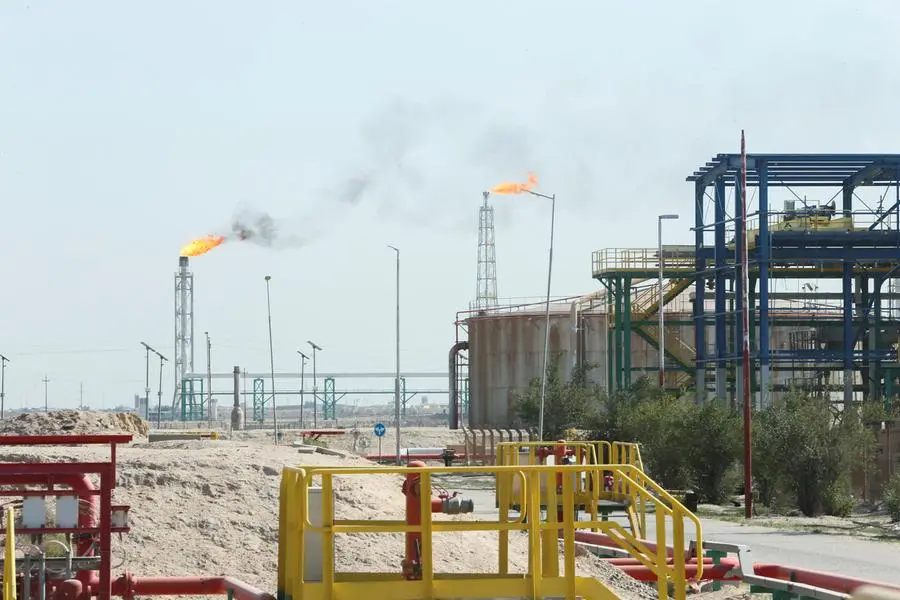
Iraq’s Anbar oil exports plan gained momentum as officials outlined new export routes. Authorities in Anbar Province aim to export up to 200,000 barrels per day. This move supports efforts to secure stable energy flows. As a result, Iraq’s Anbar oil exports plan reflects a shift toward diversification.
Moreover, local officials highlighted the need for alternative export channels. They want to reduce reliance on southern routes through the Strait of Hormuz. Ongoing regional tensions have disrupted shipments in that area. Therefore, the Iraq Anbar oil exports plan offers a practical solution.
In addition, authorities proposed transporting crude oil by tanker trucks. These trucks would move oil across land borders into Jordan and Saudi Arabia. This approach would create direct access to global markets. Consequently, the Iraq Anbar oil exports plan strengthens export flexibility.
Furthermore, officials stressed the economic importance of this strategy. Iraq depends heavily on oil revenue for its national income. Any disruption creates serious financial pressure. Thus, Iraq’s Anbar oil exports plan helps offset losses caused by export delays.
At the same time, leaders called for faster progress on major pipeline projects. One key project includes the Basra-Haditha-Aqaba pipeline. This route would connect southern oil fields to Jordan’s Aqaba port. Another project involves the Kirkuk-Baniyas pipeline toward Syria. These pipelines would improve long-term export capacity.
Additionally, these projects aim to reduce risks linked to maritime routes. Land-based pipelines provide more control and stability. Therefore, Iraq’s Anbar oil exports plan aligns with broader national energy goals.
Anbar’s geographic position plays a crucial role in this strategy. The province shares borders with Syria, Jordan, and Saudi Arabia. This location makes it an important hub for overland energy transport. As a result, Iraq’s Anbar oil exports plan leverages this strategic advantage.
Meanwhile, energy experts see this move as part of a wider shift. Iraq wants to protect its oil income and maintain export continuity. Diversifying routes reduces vulnerability during geopolitical crises. Therefore, Iraq’s Anbar oil exports plan reflects forward-looking policy decisions.
Looking ahead, the success of this plan depends on infrastructure and coordination. Authorities must improve roads, logistics, and border facilities. They also need strong cooperation with neighboring countries. If these steps succeed, exports could increase steadily.
In conclusion, Iraq plans to export up to 200,000 barrels per day through Anbar. The strategy focuses on land routes and pipeline development. This approach strengthens resilience and ensures continued access to global markets.