

Iraq air travel growth continues to shape regional aviation. Therefore, airlines respond quickly to rising demand. Moreover, passenger movement between Iraq and Saudi Arabia keeps increasing. Consequently, carriers expand capacity on key routes.
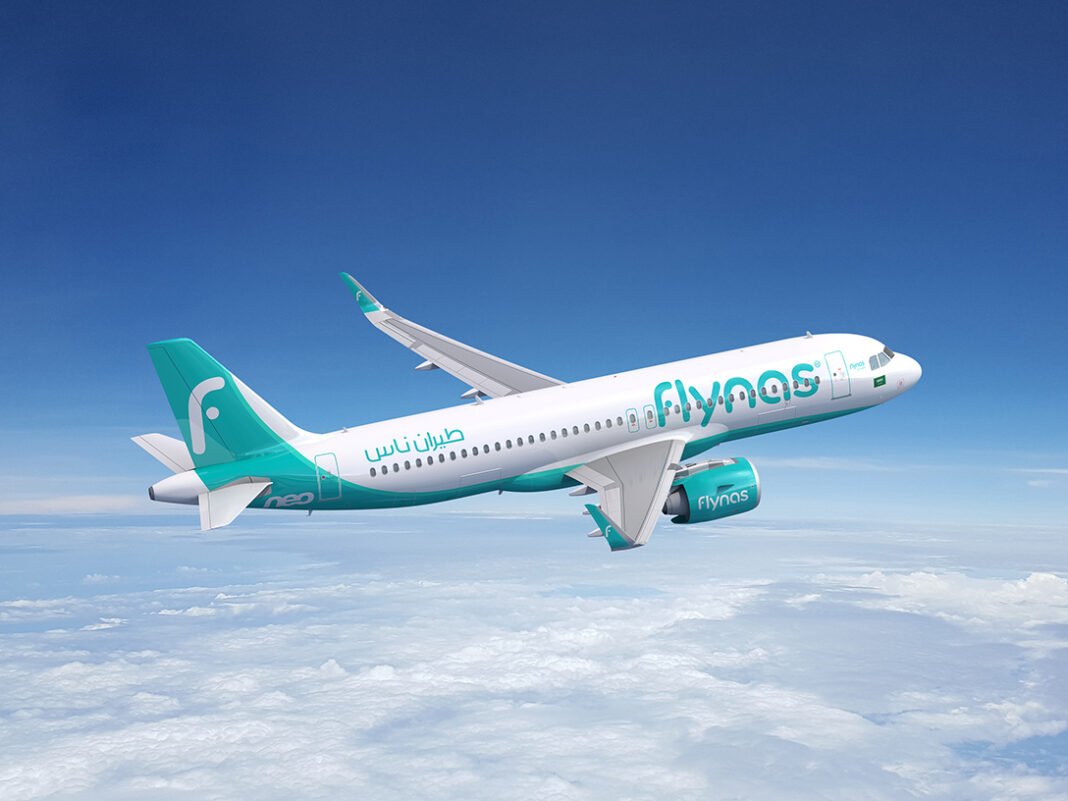
Saudi low-cost airline Flynas increased flights between Jeddah and Baghdad. As a result, weekly services rose significantly. Previously, the route offered limited options. Now, travelers enjoy greater flexibility and choice.
The airline adjusted its schedule due to strong demand. Iraqi travelers increasingly fly for religious purposes. Additionally, business travel continues to grow steadily. Family visits also drive passenger numbers.
This expansion strengthens Flynas’ presence in Iraq. Moreover, it improves connectivity between the two countries. Therefore, travelers benefit from more departure times. Prices also remain competitive.
Iraq air travel growth reflects broader regional mobility trends. As economic ties deepen, movement rises. Furthermore, religious tourism supports steady passenger flows. Airlines respond with added capacity.
The increased flights also support trade links. Business travelers gain easier access. Consequently, meetings and investments become more convenient. Aviation plays a key economic role.
Flynas continues expanding its Middle East network. It focuses on routes with strong demand. Iraq remains a priority market. Therefore, the airline invests resources there.
The carrier has steadily increased capacity to Iraqi cities. Over recent years, it emphasized high-traffic routes. Baghdad ranks among the most important. Jeddah also serves as a major hub.
Meanwhile, Iraq’s national airline faces operational challenges. It struggles to maintain international routes. As a result, foreign carriers fill the gap. Competition in the market increases.
Flynas benefits from this competitive environment. It offers frequent flights and low fares. Therefore, travelers shift preferences. Market share continues to grow.
The airline operates from its base in Riyadh. It runs a modern fleet with dozens of aircraft. This fleet supports frequent scheduling. Reliability remains a core advantage.
Flynas pioneered low-cost aviation in Saudi Arabia. It introduced affordable travel options. Consequently, it attracted a wide customer base. Its model suits regional travel needs.
The airline now operates thousands of flights weekly. Its network covers many regions. These include the Middle East, Asia, Europe, and Africa. Expansion continues steadily.
Iraq air travel growth aligns with regional recovery. Passenger confidence has improved. Moreover, demand shows consistent strength. Airlines plan further adjustments.
The Baghdad–Jeddah route serves multiple travel purposes. Pilgrimage travel remains a major factor. Business and family needs add volume. Therefore, demand stays diversified.
Travel agencies report strong booking levels. Customers welcome added frequencies. Flexibility matters greatly for travelers. Thus, flight increases meet expectations.
Improved connectivity also supports tourism. Easier travel encourages visits. Consequently, service sectors benefit. Aviation supports wider economic activity.
The increase signals confidence in Iraq’s market. Airlines invest only when demand proves strong. Therefore, this move reflects positive trends. Iraq air travel growth sends clear signals.
Industry observers expect further expansions. Other carriers may follow similar strategies. Competition could increase further. Travelers would gain more options.
In summary, Flynas responded directly to market demand. It expanded flights to meet passenger needs. This decision strengthens bilateral links. Iraq air travel growth remains the driving force.