

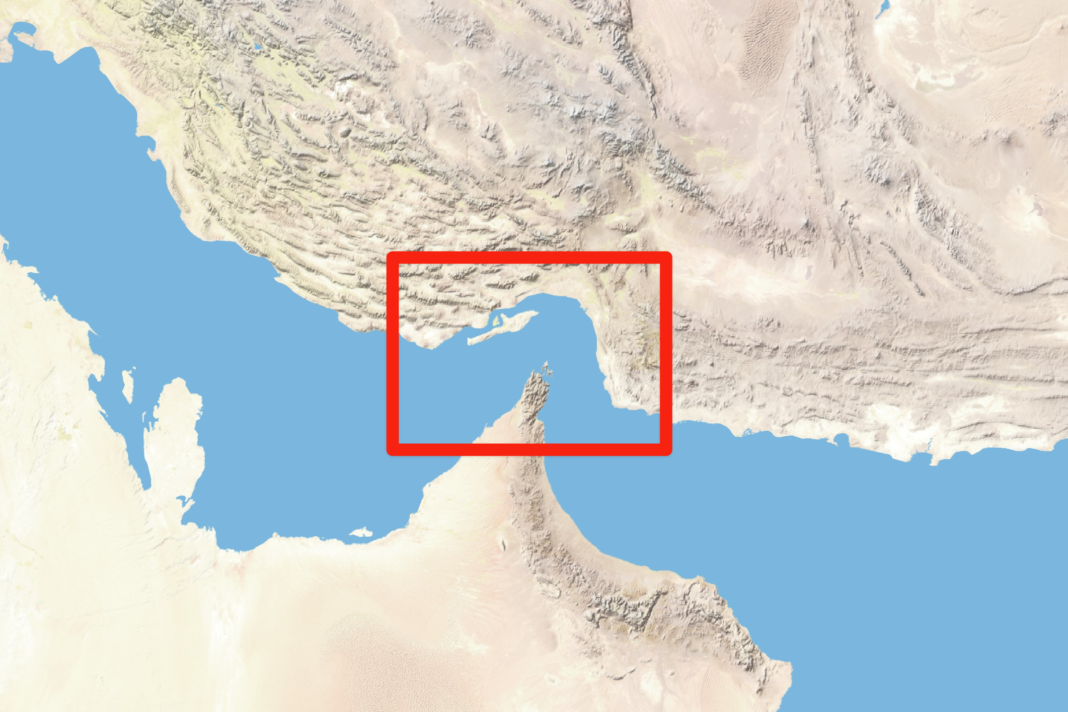
Iraq faces a $280 million daily loss as the Hormuz closure crisis tightens its grip. Economic experts warn that the situation threatens the country’s oil-driven economy. Without exports, Iraq risks a forced production cut within days.
Economic analyst Mohammad Al-Hasani sounded the alarm over the blockade. He said Iraq depends heavily on southern export terminals at Al-Faw and Khor Al-Zubair. However, those facilities support operational flow, not long-term storage.
As tanks approach full capacity, Iraq must reduce output gradually. Therefore, production shutdowns could begin soon. The Hormuz closure crisis leaves Baghdad with limited alternatives.
Iraq exports around 3.5 million barrels per day through southern ports. That flow now faces disruption because the Strait of Hormuz remains blocked. Consequently, daily revenue losses range between $260 million and $280 million.
Experts estimate potential losses could exceed $8 billion per month. Iraq relies on oil income to fund salaries and government spending. Thus, prolonged disruption could destabilize public finances.
Global markets reacted immediately to the blockade. The Strait of Hormuz handles about 20 percent of global crude supply. As tensions escalated, Brent crude jumped 7 percent to $82.37 per barrel.
More than 150 oil tankers now wait outside the strategic waterway. Shipping insurers have started canceling war-risk policies in the region. Therefore, shipping costs continue to surge sharply.
The Hormuz closure crisis also exposed Iraq’s infrastructure gap. Unlike Saudi Arabia and the UAE, Iraq lacks overseas storage hubs. That weakness limits flexibility during supply shocks.
In response, the Ministry of Oil held an emergency meeting. Officials discussed diverting crude through the Ceyhan pipeline in Türkiye. However, experts warn that this northern route handles only a fraction of southern export volumes.
The Ceyhan line cannot replace the 3.5 million barrels per day shipped from the Gulf. As a result, Iraq faces mounting storage pressure at home. Without export relief, production cuts appear inevitable.
Financial stability now depends on how long the blockade lasts. Each passing day increases fiscal strain. The Hormuz closure crisis places Iraq in a vulnerable position.
Moreover, investors monitor developments closely. Extended disruption could weaken confidence in Iraq’s energy sector. Therefore, officials seek diplomatic solutions to restore safe navigation.
For now, Iraq balances emergency planning with urgent negotiations. The Hormuz closure crisis continues to test the country’s economic resilience. Oil revenue remains the lifeline of the national budget.