

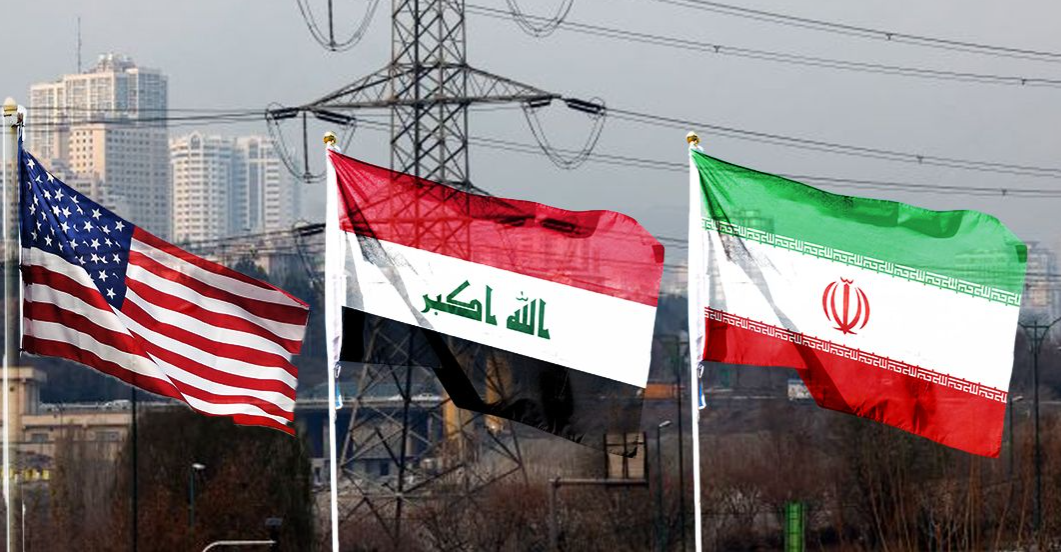
Iran Iraq government pressure now strongly shapes negotiations to form Iraq’s next government. American officials actively engage Iraqi political leaders in Baghdad. They openly warn about serious consequences if Iran-linked factions gain cabinet positions. This pressure has become central to every political discussion. As talks continue, Iraqi leaders face growing external scrutiny.
According to informed political figures, Washington urges Iraqi parties to exclude armed-aligned factions from power. These factions maintain political influence through parliamentary seats. US officials argue these groups weaken state authority. They also claim such influence damages investor confidence. Therefore, political choices now carry major economic implications.
Moreover, US representatives directly connect cabinet formation with financial risk. They highlight possible restrictions on dollar transfers from oil revenues. Iraq depends heavily on dollar flows for trade and salaries. Any disruption could affect imports and public spending. Consequently, economic stability remains at stake during negotiations.
In addition, American diplomats raise concerns about future diplomatic relations. They explain Washington may limit engagement with a new Iraqi cabinet. Such a move could reduce international cooperation. As a result, Iraq could face political isolation. This risk worries many senior lawmakers.
Meanwhile, Iraqi political blocs continue complex negotiations behind closed doors. Leaders debate power-sharing arrangements and ministerial roles. Each bloc seeks influence while avoiding financial penalties. Therefore, discussions remain slow and tense. Internal divisions further complicate compromise efforts.
Furthermore, US envoys describe their strategy as protective rather than political. They claim their goal supports long-term stability. They emphasize reducing armed influence inside formal institutions. This message repeats during high-level meetings. However, skepticism remains among Iraqi politicians.
At the same time, many lawmakers reject outside pressure. They insist parliament represents voters, not foreign interests. Nevertheless, economic dependence shapes political reality. Leaders must balance sovereignty with financial security. This dilemma defines current negotiations.
Iran Iraq government pressure also reflects wider regional dynamics. Nearby conflicts increase fears of escalation. Washington worries about expanded regional influence by armed groups. Therefore, it seeks firm political limits from Baghdad. These concerns influence every diplomatic exchange.
Additionally, control over financial channels strengthens US leverage. Oil revenues move through international systems. Any delay could affect public services. Business leaders and citizens closely watch developments. Economic uncertainty increases public anxiety.
Despite disagreements, negotiations continue without resolution. Political elites search for workable compromise formulas. They aim to avoid sanctions while forming a stable cabinet. Trust remains fragile among rival factions. The outcome remains uncertain.
Observers note that Iran Iraq government pressure influences every political calculation. It shapes alliances, cabinet lists, and negotiation strategies. Ultimately, Iraqi leaders must choose their direction. Their decision will shape Iraq’s political and economic future.