

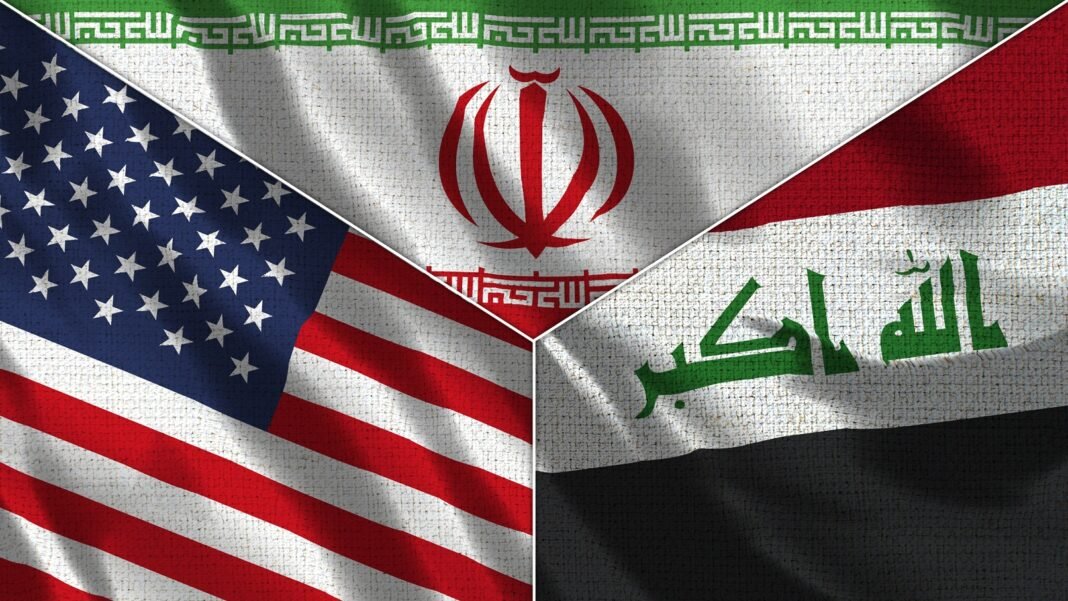
Iran’s foreign ministry condemned the United States’ recent decision to end a sanctions waiver that allowed Iraq to buy electricity from Iran, calling it “illegal.” Foreign Ministry spokesperson Esmaeil Baqaei described the move as an “admission of lawlessness” and an example of “crimes against humanity.” He emphasized that the unilateral US sanctions against Iran have no legitimate justification or legal basis.
The US decision, announced on Sunday, represents a continuation of President Donald Trump’s “maximum pressure” policy against Tehran. This strategy, aimed at curbing Iran’s nuclear ambitions, includes strict sanctions targeting various sectors of the Iranian economy. While the US accuses Iran of pursuing nuclear weapons, Tehran has consistently denied these allegations.
The US Department of State explained that the decision to end the waiver was made to ensure that Iran does not receive any form of economic or financial relief. Iran has been supplying about one-third of Iraq’s electricity and gas, which generates significant income for Tehran.
This waiver was first introduced in 2018 after the US reimposed sanctions on Iran following President Trump’s withdrawal from the landmark nuclear deal. Since then, Iraq has relied on Iranian energy supplies, particularly gas, to meet its electricity needs. However, the end of the waiver places Iraq in a difficult position as it struggles to find alternative sources of energy.
President Trump has suggested that he is open to negotiating a new nuclear deal with Iran. On Friday, he revealed that he had sent a letter to Iran’s Supreme Leader, Ayatollah Ali Khamenei, urging new talks. Despite this, Trump also warned that military action could be considered if Iran refuses to negotiate.
In response, Khamenei criticized what he called “bullying tactics” by the US, accusing Washington of attempting to dominate rather than solve any problems through negotiations. Iran claims it has not received any letters from the US president regarding negotiations.