

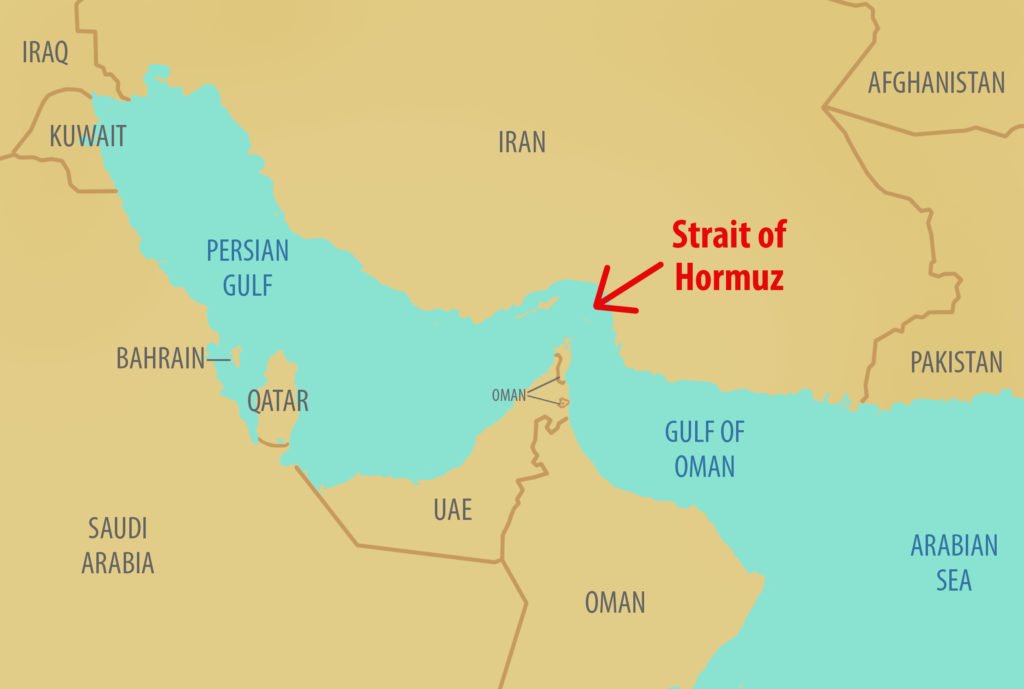
The Strait of Hormuz remains one of the most important energy routes in the world. A closure could trigger a massive disruption in global energy markets. Experts warn that such a shutdown could create a severe global energy crisis.
First, around 20 to 21 million barrels of oil pass through the strait every day. This volume represents a huge share of global energy trade. Therefore, the Hormuz oil supply risk remains a major concern for global markets.
In addition, this narrow waterway carries about 25 percent of the world’s oil supply. Because of this large share, any disruption immediately affects international oil markets. Consequently, traders and governments closely monitor developments in the region.
The Strait of Hormuz also plays a key role in the natural gas trade. Nearly 20 percent of global liquefied natural gas exports pass through this route. As a result, a closure could disrupt both oil and gas markets simultaneously.
Several major energy exporters rely heavily on this shipping corridor. Saudi Arabia ships a large portion of its crude through the Strait. Iraq also depends on the route to transport its southern oil exports.
Meanwhile, the United Arab Emirates uses the waterway for a significant share of its energy shipments. Kuwait also relies on the passage for crude exports. Qatar depends on the route for both oil and liquefied natural gas deliveries.
Therefore, the Hormuz oil supply risk directly affects the energy revenues of these producers. Any prolonged disruption could sharply reduce export volumes from the Gulf region.
At the same time, the biggest economic impact would affect major importing countries. Several Asian economies rely heavily on energy supplies from the Gulf. These countries depend on stable oil flows for industrial activity and transportation.
China stands among the largest importers of Gulf oil. India also relies heavily on Middle Eastern crude to power its economy. Japan and South Korea also depend on shipments passing through the Strait of Hormuz.
If the Strait closes, these countries would face serious supply shortages. Energy companies would immediately search for alternative sources. However, replacing such a large supply volume would prove extremely difficult.
Because of this risk, global oil prices could rise dramatically. Analysts estimate that prices might surge above 150 to 200 dollars per barrel during a prolonged disruption. Such a price spike would place enormous pressure on the global economy.
Higher energy costs would increase inflation worldwide. Transportation, manufacturing, and electricity prices would likely rise sharply. Consequently, businesses and households would face higher expenses.
In addition, supply chains could suffer severe disruptions. Shipping costs would increase alongside fuel prices. As a result, global trade could slow significantly.
The Hormuz oil supply risk, therefore, represents one of the most serious threats to global energy security. Governments and energy companies continue monitoring the situation carefully.
Ultimately, the Strait of Hormuz demonstrates how a small geographic point can influence the global economy. The waterway measures only about 33 kilometers in width. However, it carries roughly one quarter of the world’s oil supply.
If this narrow passage closes, the global economy would feel the impact almost immediately. Energy markets, trade flows, and economic stability would all face significant pressure.