

The Iraq oil production cut has intensified across the Gulf as regional conflict disrupts shipping routes and energy infrastructure. Major producers in the region have reduced oil output sharply due to rising security risks.
First, Iraq, Saudi Arabia, the United Arab Emirates, and Kuwait have reduced production by about 6.7 million barrels per day. This reduction represents roughly one-third of their combined oil output.
Energy producers made these cuts as conflict across the region disrupted oil transportation and export operations. Security threats and logistical problems forced many companies to slow production.
The Iraq oil production cut reflects the growing pressure on the Gulf energy sector. Attacks, missile threats, and tanker disruptions continue to create uncertainty for oil exporters.
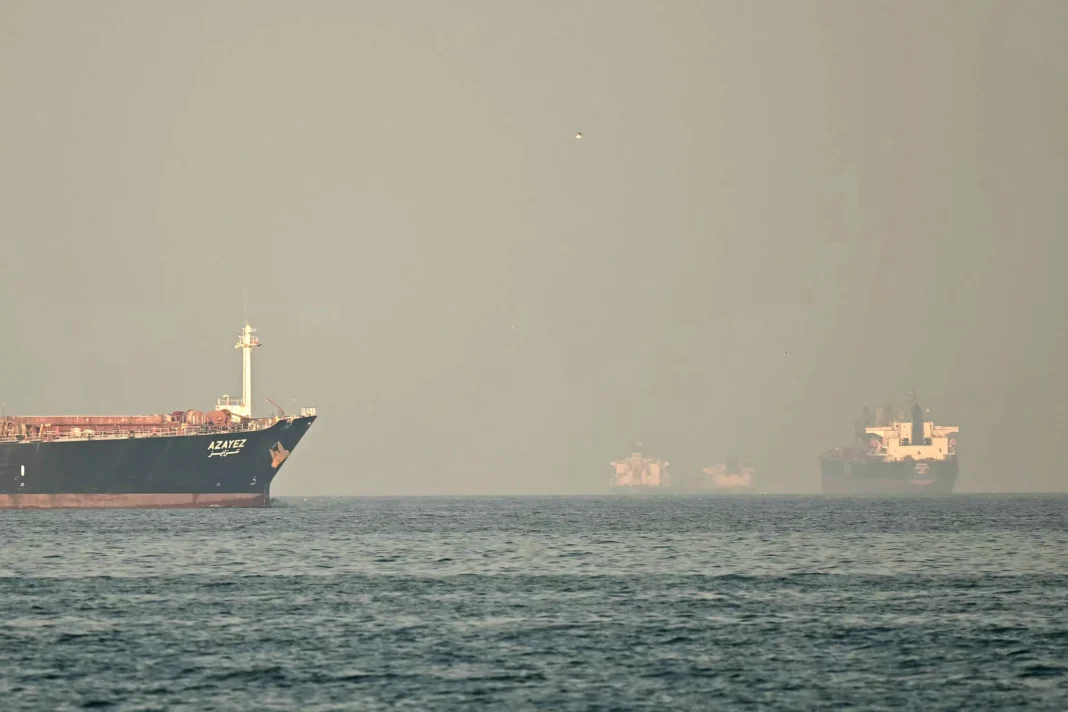
Moreover, tanker traffic has slowed significantly in the region. Many oil shipments pass through the Strait of Hormuz, which normally transports about 20% of global oil supplies.
Because of security concerns, some shipping companies now avoid the route. Others delay shipments while waiting for safer conditions in the Gulf.
As a result, exporters struggle to move crude oil to international markets. Storage facilities in several countries have started filling up quickly.
Among Gulf producers, Iraq has experienced some of the largest disruptions. Iraqi oil production has dropped by about 2.9 million barrels per day.
This sharp reduction occurred because storage tanks reached high capacity levels. At the same time, oil companies struggled to find tankers willing to operate in risky waters.
Therefore, the Iraq oil production cut has become one of the most serious challenges for the country’s energy sector. Export delays directly affect government revenues and economic planning.
Meanwhile, Kuwait has also felt strong pressure from the regional crisis. The country’s national energy company has reduced refining and production activities.
Officials cited growing security threats linked to the regional conflict. In addition, the company declared force majeureon some shipments because export operations became difficult.
These developments highlight how regional instability affects oil operations across the Gulf. Missile threats and attacks on infrastructure increase operational risks.
Consequently, producers prefer to reduce output rather than risk shipments through unstable routes. Energy companies also try to protect workers and infrastructure during periods of conflict.
Furthermore, Iraq faces particularly serious economic risks from export disruptions. Oil revenues account for about 90% of the country’s government income.
Because of this dependence, long-term export delays could strain the national budget. Government spending on salaries, services, and development projects depends heavily on oil income.
At the same time, global energy markets continue to monitor the situation closely. Any long-term production cuts could tighten global oil supply.
Energy analysts warn that prolonged disruptions may push prices higher worldwide. Reduced output from major Gulf producers can quickly affect global oil markets.
Therefore, international investors and governments watch developments in the region carefully. Stability in the Gulf remains essential for global energy supply.
Overall, the regional conflict has already created major pressure on oil production and transportation. The coming weeks may determine whether exports stabilize or face further disruption.