

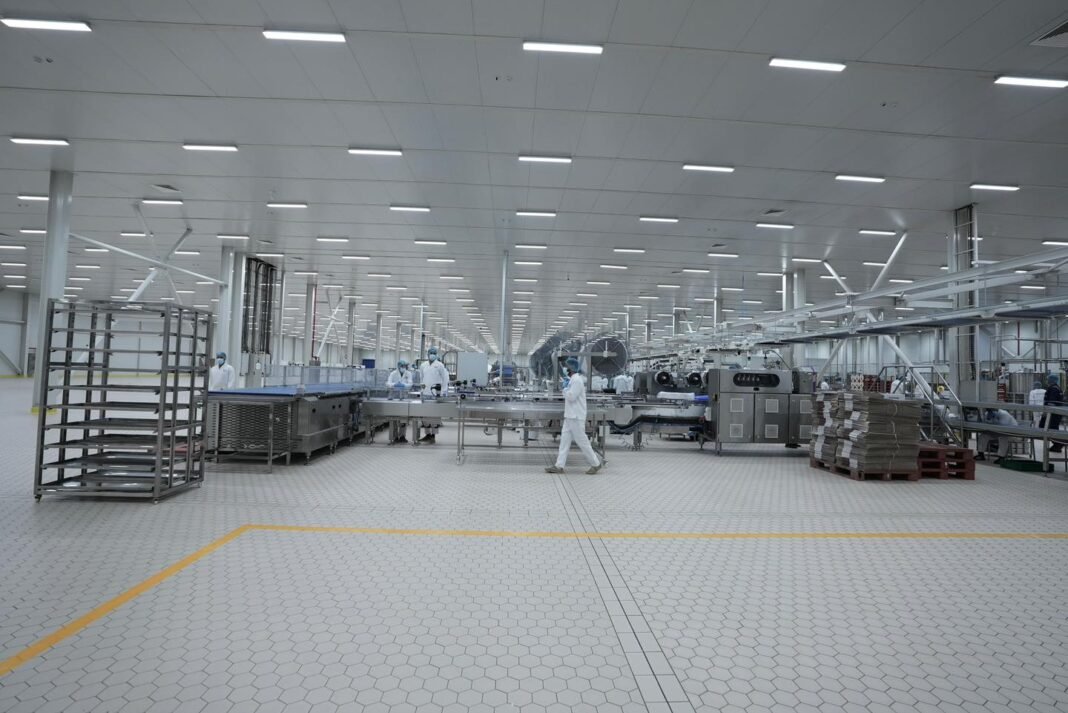
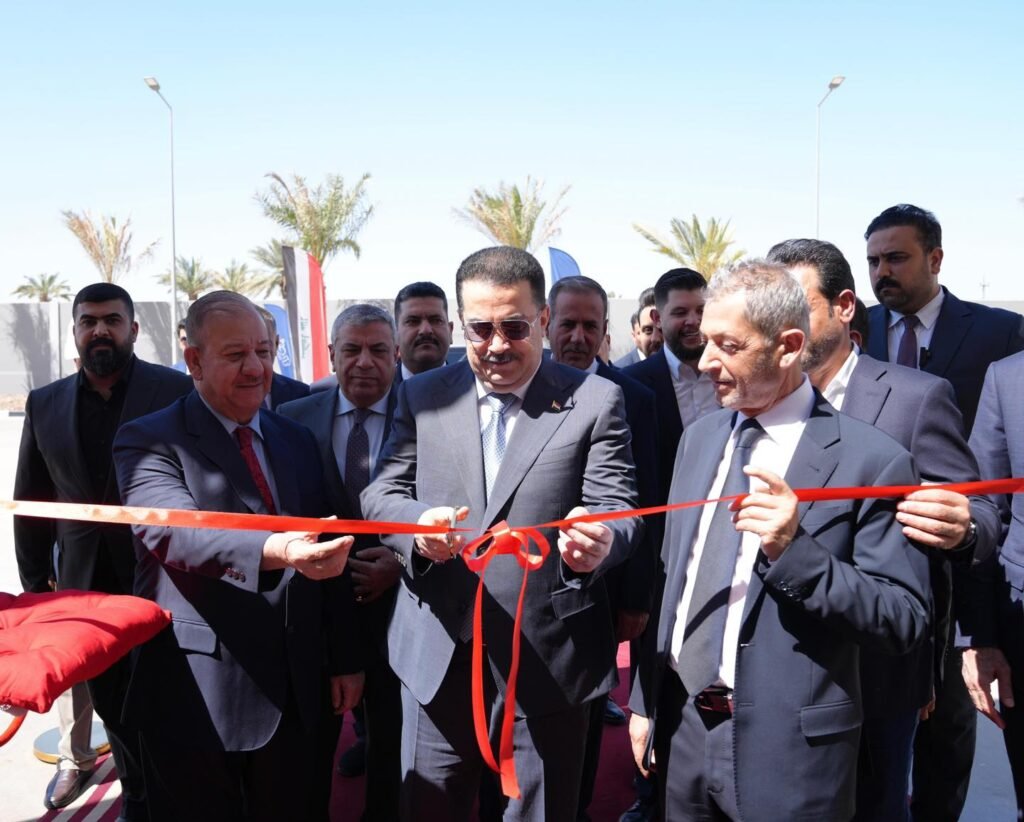
food industry investment in Iraq, Iraq’s Prime Minister Mohammed Shia Al-Sudani officially launched a major food industry project on Tuesday. He opened the new factories of the United Arab Company for Food Industries in Al-Mahmoudiya, located just south of Baghdad.
This project marks a significant step in Iraq’s industrial strategy. The food industry investment in Iraq reflects growing private-sector momentum. The first phase of the project includes pasta and noodle production plants. These factories occupy 20 percent of a 123-dunam site—equal to 12 hectares or about 30 acres.
The company has already invested 128 billion Iraqi dinars, which equals around $98 million. This investment supports Iraq’s goal of diversifying the economy and increasing food production. Currently, 800 people work at the facility. The company aims to raise the number of employees to over 1,000 in the near future.
Al-Sudani stressed the importance of private-sector leadership. While the government plans to support investment and improve regulations, he made it clear that Iraq’s industrial progress must be driven by the private sector. He also highlighted that food production is a vital area for growth, especially in serving both domestic consumers and export markets.
The food industry investment in Iraq will help reduce reliance on imported food. It also opens the door for stronger export opportunities. Pasta and noodles are in high demand, both in Iraq and across the region. Producing them locally can cut costs and improve food security.
Al-Mahmoudiya’s strategic location makes the project even more important. Its proximity to Baghdad allows quick access to key markets, supply chains, and transport routes. This helps streamline production and delivery while reducing logistics costs.
Al-Sudani noted that these factories symbolize Iraq’s shift toward self-reliance and job creation. He encouraged further cooperation between public and private sectors to expand similar projects in other industries, including agriculture, construction materials, and health-related manufacturing.
The government hopes this project sets a precedent for future investments. By focusing on food production, Iraq can stimulate the local economy, provide jobs, and support its long-term development plan.
As the food industry investment in Iraq gains momentum, many experts see it as a positive sign of Iraq’s industrial awakening. With more public-private partnerships and efficient policies, Iraq could soon become a regional player in food manufacturing.