

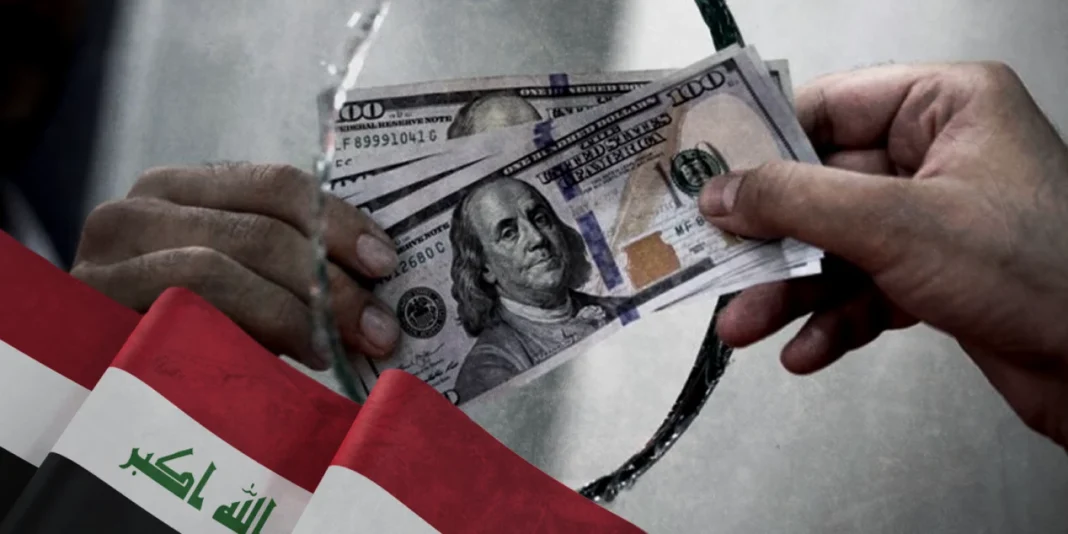
Dollar rises against dinar, The US dollar gained value against the Iraqi dinar in both Baghdad and Erbil. Exchange rates rose early in the trading day, showing signs of currency pressure across key markets in Iraq.
In Baghdad, the dollar opened stronger at the Al-Kifah and Al-Harithiya stock exchanges. The new rate reached 143,850 dinars per 100 dollars. This marked an increase compared to the previous trading day.
Currency shops across Baghdad followed this upward trend. The selling rate climbed to 144,750 dinars for 100 dollars. At the same time, the buying rate dropped slightly to 142,750 dinars. These movements show the continued struggle of the dinar in open markets.
Dollar rises against dinar remains a repeated concern for both citizens and investors. When the dollar grows stronger, daily costs often increase for Iraqi families. Imports become more expensive, and business owners face tighter profit margins.
In Erbil, the capital of the Kurdistan Region, exchange offices reported similar figures. The dollar sold for 143,950 dinars and bought for 143,850 dinars. This narrow margin reflects high demand and little room for negotiation.
Moreover, traders expect the market to stay volatile. External factors, such as global oil prices and political decisions, often affect Iraq’s currency value. In particular, delays in dollar supply from foreign reserves can cause sudden shifts in price.
Iraq’s central authorities continue to monitor the situation. However, they have not introduced new measures to stabilize the dinar. Until clear action is taken, exchange markets will likely remain sensitive to small changes in supply and demand.
Dollar rises against dinar also reflects broader economic tension. Inflation pressures, high import costs, and declining trust in the banking system all contribute to the current trend. Many consumers now prefer to hold their savings in dollars rather than dinars.
In conclusion, the current rise in dollar exchange rates puts extra stress on Iraq’s already fragile economy. Policymakers face growing pressure to act quickly and restore balance to the market. Without intervention, dollar rises against dinarmay continue to shape daily life and long-term growth.