

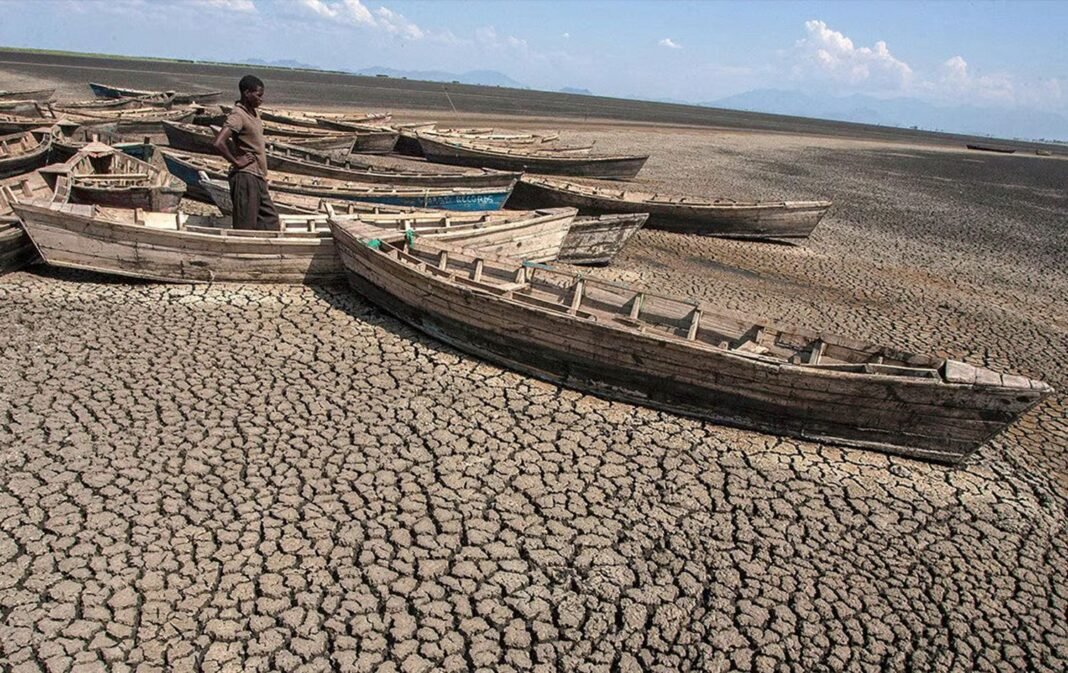
The Basra water crisis in 2025 has worsened, with human rights officials warning of the region’s worst drinking water shortage in 80 years. Citizens in Iraq’s southern oil-rich province face rising distress as environmental and political issues worsen the emergency.
The High Commission for Human Rights in Basra issued a sharp statement condemning the continued government silence. Office director Mehdi Al-Tamimi criticized officials for reannouncing a long-delayed desalination plant project.Al-Tamimi stated, “They repeat this announcement every year as the crisis worsens.” He said officials ignored over 100 appeals from his office. He urged Iraq’s Prime Minister and Parliament to take urgent action before the crisis evolves into a full-blown humanitarian disaster.
Meanwhile, prominent health and environment activist Alaa Al-Ramahi added fuel to public frustration. He accused local authorities of diverting public water from the Bada’a project—originally intended for citizens—to 25 private residential compounds. According to Al-Ramahi, this diversion is directly triggering the Basra water crisis 2025. He said that the water left for public use is not suitable even for agriculture or livestock.
As citizens demand answers, Basra’s Governor Asaad Al-Eidani responded by announcing the near implementation of the long-promised seawater desalination project. He blamed the current shortage on declining water flows from the Tigris and Euphrates rivers, and increasing saltwater intrusion from the Gulf.
However, many residents and activists remain skeptical. They argue that officials have announced the same desalination plan for seven years without achieving a single breakthrough. For many, it has become a symbol of official failure to act on critical infrastructure.
In the middle of this crisis, trust in local and national institutions continues to erode. The Basra water crisis 2025 has become more than just an environmental issue. It is now viewed as a direct test of political accountability, transparency, and state capacity.
Calls for immediate reform are growing louder. Human rights groups and civil society organizations demand transparency and fairness in water management. They also call for independent investigations into allegations of water misallocation.
For now, the people of Basra remain without reliable access to safe drinking water. They are left to hope that the growing public pressure will finally bring long-overdue solutions to one of Iraq’s most urgent and devastating local challenges.