

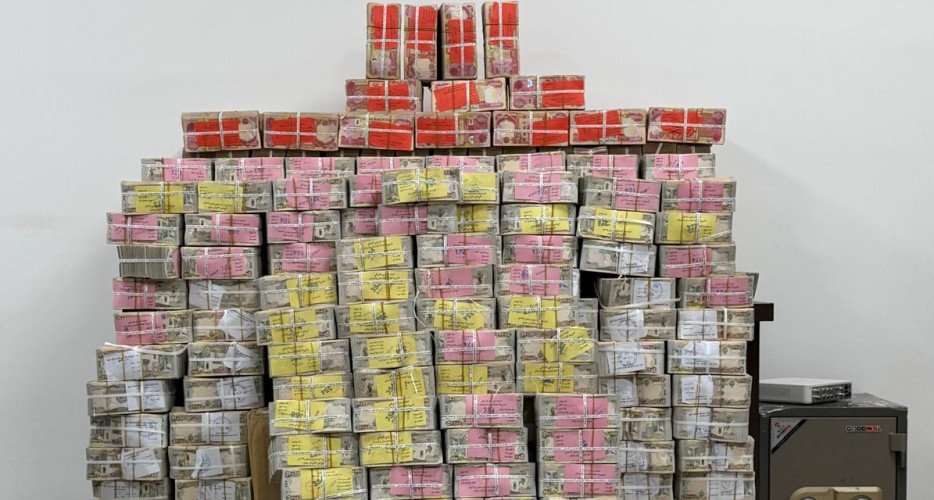
Iraq plans to use Recovered corruption funds to strengthen public finances and support key development projects. Government officials say these assets provide valuable financial support, although they cannot replace regular state revenues. The recovered money offers additional flexibility for the government during periods of fiscal pressure. At the same time, officials continue to stress the importance of sustainable income sources.
Financial adviser to the Prime Minister, Mazhar Mohammed Salih, explained that the recovered assets represent exceptional income rather than permanent revenue. He said the government should not include these funds as a fixed source when preparing annual budgets. Instead, policymakers should treat them as temporary financial support. This approach helps maintain realistic budget planning while avoiding dependence on uncertain revenues.
Salih noted that the recovered money can play an important role in reducing Iraq’s budget deficit. Lower fiscal gaps improve the government’s financial position and create greater stability for public spending. Additional resources also allow authorities to respond more effectively to economic challenges. However, regular government revenues must continue to serve as the foundation of national budgets.
Officials also intend to direct part of the recovered assets toward development projects. These investments can improve infrastructure, expand public services, and strengthen essential sectors across the country. Projects that directly benefit citizens remain a priority because they improve living conditions and encourage long-term economic growth. The government believes targeted spending will generate lasting economic value.
Another possible use for the recovered funds involves strengthening Iraq’s financial reserves. Higher reserves improve the country’s ability to manage unexpected economic shocks and changing market conditions. Strong reserves also support financial stability and increase confidence among international investors. This strategy provides additional protection during periods of global uncertainty.
Salih emphasized that recovering stolen public money delivers benefits beyond its financial value. Successful recovery efforts reduce public financial losses and reinforce accountability across government institutions. They also demonstrate the state’s commitment to protecting public resources. These actions help improve trust between citizens and government authorities.
Investor confidence may also improve as Iraq strengthens its anti-corruption efforts. International financial institutions often consider transparency and accountability when evaluating investment opportunities. Recovering public funds sends a positive signal about financial governance and institutional reform. Greater confidence can encourage new investment and support broader economic development.
Despite these benefits, Salih stressed that recovered assets cannot replace stable government income. Their availability depends on the outcome of corruption investigations and legal recovery processes. Because these revenues remain unpredictable, officials should avoid relying on them for recurring government expenses. Responsible fiscal planning requires dependable revenue streams supported by long-term economic growth.
Iraq continues to pursue financial reforms while seeking to strengthen public institutions and improve budget management. Recovering stolen assets represents one part of this broader strategy. Combined with responsible fiscal policies, these efforts can improve economic stability and strengthen public confidence. For now, Recovered corruption funds remain an important financial resource that supports development while helping reduce fiscal pressures, making Recovered corruption funds a valuable addition to Iraq’s broader economic strategy.