

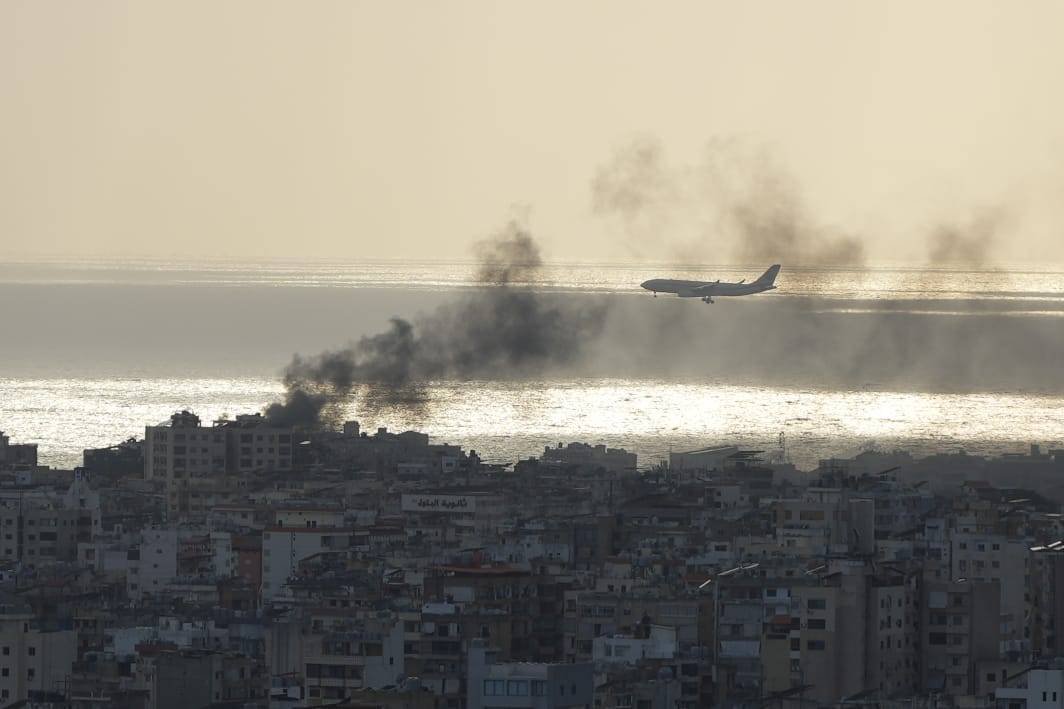
The European Union Aviation Safety Agency issued a new Iraq airspace warning for airlines operating across the Middle East. The agency advised carriers to avoid flying through the airspace of Iraq, Iran, and Lebanon because of growing regional security concerns. Officials cited the risk of renewed military activity despite a recent ceasefire. The advisory reflects increasing caution as tensions continue to affect international aviation.
The recommendation will remain in effect until August 31 unless the agency reviews or changes it earlier. EASA explained that the decision follows continued instability across the region. Officials believe the security situation could change quickly if fighting resumes. As a result, airlines should carefully assess flight routes before operating in the affected airspace.
The agency expressed particular concern about Iranian airspace. According to EASA, the possibility of additional military action creates an immediate safety risk for civilian aircraft. Officials warned that commercial flights could face significant dangers if the fragile ceasefire collapses. The advisory encourages airlines to prioritize passenger and crew safety while monitoring regional developments.
The latest guidance follows renewed military exchanges between the United States and Iran. Tensions increased after attacks targeted commercial vessels near the Strait of Hormuz. In response, the United States launched strikes against Iranian targets. Iranian officials later reported retaliatory attacks involving American military facilities in Bahrain and Kuwait.
These developments raised concerns about the security of one of the world’s most important transportation corridors. The Strait of Hormuz remains a critical route for global energy shipments and international maritime trade. Any escalation in the area can quickly affect aviation, shipping, and financial markets. Airlines often adjust flight paths when military activity threatens regional airspace.
Industry experts expect many international airlines to reroute flights to avoid potential risks. Although alternative routes may increase travel times and fuel costs, airlines generally place safety above operational efficiency. Several carriers have already modified schedules during previous periods of regional instability. The latest advisory could lead to similar operational changes over the coming weeks.
The renewed tensions have also influenced global financial markets. Oil prices moved higher following reports of military strikes and concerns about possible supply disruptions. Investors continue monitoring diplomatic efforts as governments attempt to prevent a wider regional conflict. Greater stability would likely reduce pressure on both aviation and energy markets.
EASA continues to monitor security conditions across the Middle East in cooperation with international aviation authorities. The agency may revise its recommendations if the situation improves or deteriorates. Airlines will likely continue reviewing operational risks before scheduling flights through the region. Passenger safety remains the primary concern during periods of geopolitical uncertainty.
The latest Iraq airspace warning highlights the challenges facing international aviation during times of regional instability. While airlines work to maintain reliable services, changing security conditions require constant monitoring and rapid operational decisions. Until tensions ease, the Iraq airspace warning will remain an important factor for airlines planning flights across the Middle East.