

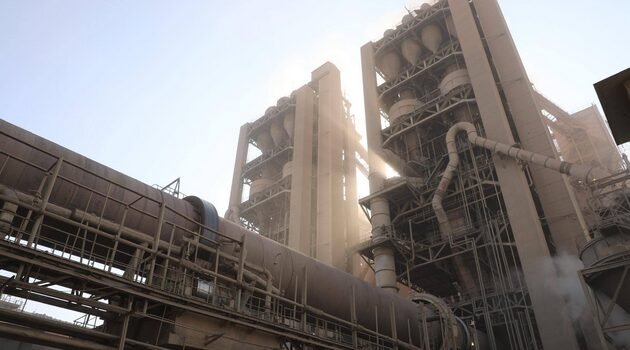
Iraq expands regional trade through its cement exports to Syria. The country started new shipments through a key border route. This move supports economic activity and strengthens cooperation.
First, the Iraqi Border Ports Authority confirmed the launch. Officials began exporting cement through the al-Waleed border crossing. This step marks a new phase in trade relations between the two countries.
Moreover, authority head Omar al-Waeli highlighted the importance of this progress. He said the move reflects strong regulatory systems. He also noted better supervision across border operations.
In addition, the new shipments improve coordination between government institutions. Officials continue to streamline procedures for faster trade movement. As a result, border operations now handle goods more efficiently.
Furthermore, technical and administrative upgrades support this development. These improvements prepare the crossing for higher trade volumes. Therefore, Iraq expects smoother commodity flow in the coming period.
At the same time, Iraq focuses on expanding cement production capacity. The Ministry of Industry and Minerals announced major plans earlier. The country aims to reach 52 million tons of cement production annually.
This strategy responds to growing domestic demand. Iraq continues to have large construction and infrastructure projects nationwide. Consequently, officials want to secure enough development materials.
Meanwhile, former Prime Minister Mohammed Shia al-Sudani supported this direction. He launched six major cement factories in Muthanna. These projects hold a total value of 1.171 billion dollars.
These investments aim to reduce reliance on imports. Iraq wants to meet local demand through domestic production. However, exports like Iraq cement exports to Syria also create new revenue streams.
In conclusion, Iraq’s cement exports to Syria highlight a shift toward stronger trade integration. The country builds capacity while expanding regional partnerships. Iraq’s cement exports to Syria will likely grow further with continued reforms.