

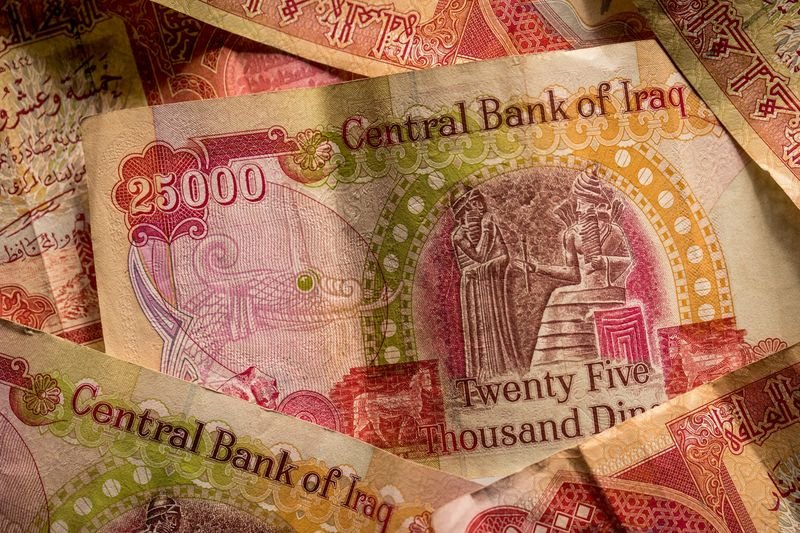
Iraq faces a clear Iraq revenue decline 13% in its early fiscal performance. The latest figures show pressure on state income. Officials now review financial trends closely.
First, the Iraqi Ministry of Finance released new data. Revenues reached 15.708 trillion dinars, or 12 billion dollars. However, this marked a 13% drop from 17.427 trillion dinars, or 13.3 billion dollars.
Moreover, oil continued to dominate state income. Oil revenues generated 13.127 trillion dinars, equal to 10 billion dollars. This share represented 84% of total revenues. Therefore, Iraq still depends heavily on oil income.
On the other hand, non-oil revenues remained limited. These sources contributed 2.581 trillion dinars, or 2 billion dollars. Although the government aims to diversify income, progress remains slow.
In addition, transfers from the Kurdistan Region added a small share. These transfers reached 120 billion dinars, or 91.6 million dollars. This contribution supported federal revenues slightly.
Meanwhile, spending levels stayed high. Total current expenditure reached 16.978 trillion dinars, or 13 billion dollars. As a result, spending exceeded total revenues during this period.
Public sector salaries consumed the largest portion. The government allocated 10 trillion dinars, or 7.6 billion dollars, for wages. Furthermore, pension payments reached 3 trillion dinars, or 2.3 billion dollars.
Social welfare programs also required significant funding. These payments totaled 912 billion dinars, or 696 million dollars. Therefore, Iraq continues to prioritize social support programs.
However, Iraq’s revenue decline 13% highlights fiscal challenges. Lower income combined with high spending increases financial pressure. Policymakers now face tough decisions.
Looking ahead, Iraq may focus on boosting non-oil sectors. Economic reforms could improve revenue stability. In contrast, reliance on oil exposes the budget to global price changes.
In conclusion, Iraq’s revenue decline 13% reflects structural weaknesses. The government must balance spending and income carefully. Iraq’s revenue decline 13% remains a key signal for future reforms.