

Baghdad – Iraq advances its energy sector as Iraq’s gas recovery boosts efforts at the Bin Umar field. The government launches the first phase of a major project to capture flared gas. As a result, officials aim to strengthen the electricity supply and reduce waste.
Ezzat Saber confirmed that the project finished in record time. Work started early in the month and ended before its close. Therefore, authorities completed the first phase much faster than expected.
Moreover, Iraq’s gas recovery boosts energy supply by capturing associated gas from oil fields. The system will deliver between 55 and 65 million standard cubic feet of dry gas daily. This output will feed power plants and reduce fuel shortages across the country.
In addition, the project produces 500 to 600 tons of liquefied petroleum gas daily. This supply supports local market demand and improves household energy access. Furthermore, it generates around 1,800 barrels of condensate per day. These outputs strengthen Iraq’s broader energy economy.
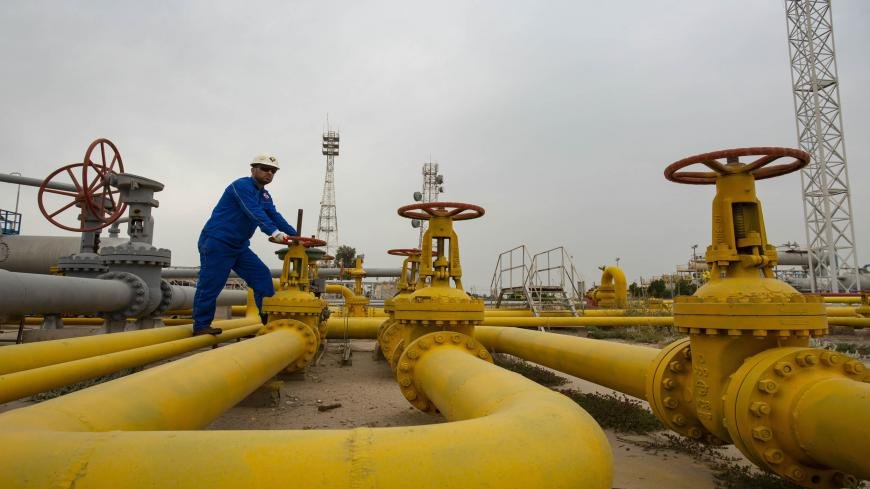
The project also includes a five-kilometer pipeline with a 20-inch diameter. This pipeline connects production areas to the national gas system. Consequently, infrastructure capacity increases significantly. Initial capacity reaches up to 80 million standard cubic feet per day.
At the same time, Iraq’s gas recovery boosts efficiency by linking multiple oil sites. These include the Bin Umar oil field, the Majnoon oil field, and the North Rumaila oil field. Together, these fields contribute to higher gas capture rates and lower environmental waste.
Furthermore, the project involves cooperation between the South Gas Company and the Oil Projects Company. This partnership supports faster execution and improved technical performance.
Overall, the initiative marks a key step in reducing gas flaring. It also strengthens Iraq’s electricity generation and domestic fuel supply. Therefore, the Iraq gas recovery boost strategy plays an important role in national energy development.