

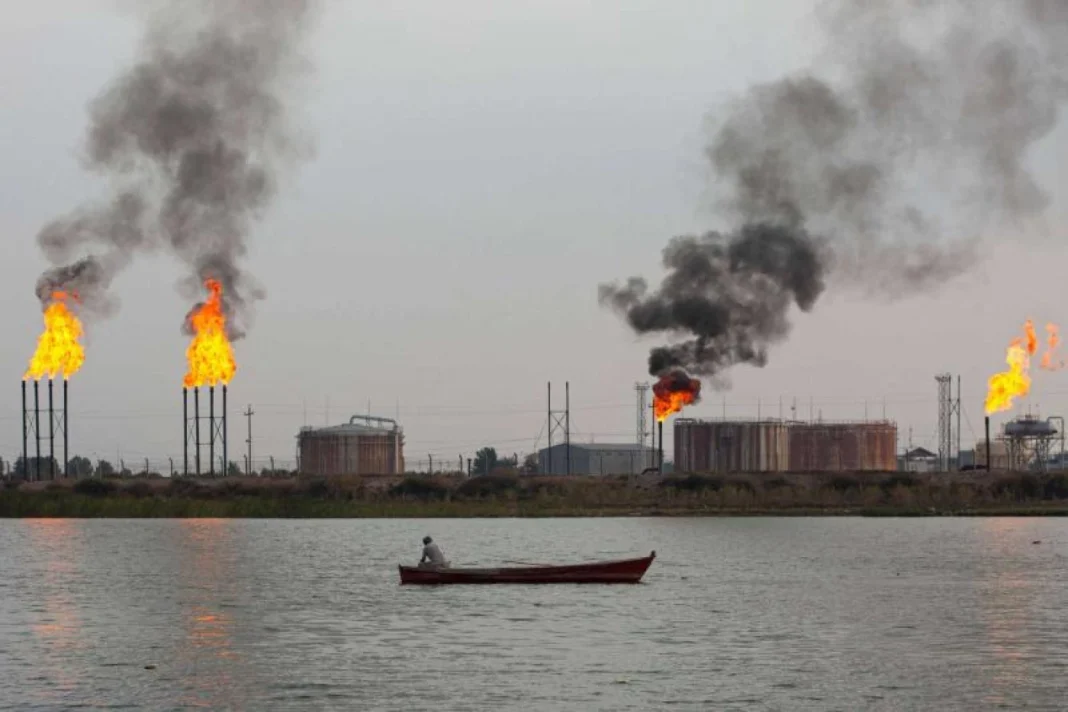
Baghdad – Iraq faces rising pressure as Iraq’s gas shortage crisis threatens the electricity supply nationwide. New data from S&P Global Commodity Insights shows a widening gap between supply and demand. As a result, officials warn of serious risks to power generation during high-demand periods.
Current figures reveal that Iraq imports only 15 million cubic meters of gas per day. However, power plants need around 50 million cubic meters daily to operate fully. Therefore, the country receives just 30 percent of its required fuel. This situation creates a daily shortfall of 35 million cubic meters.
Consequently, the Iraq gas shortage crisis continues to strain electricity production. Gas-powered plants rely heavily on steady fuel flows to maintain output. When supply drops, production declines quickly. Previous shortages already caused losses between 4,000 and 4,500 megawatts. This reduction significantly weakened the national grid.
Moreover, Iraq holds a supply agreement with Iran that allows imports up to 50 million cubic meters per day. However, actual deliveries remain far below this level. Regional tensions and infrastructure challenges have reduced Iranian exports. As a result, Iraq cannot secure enough fuel to meet demand.
Additionally, alternative solutions face delays. The liquefied natural gas project at Khor al-Zubair Port aims to ease pressure on the grid. The floating LNG platform plans to process between 500 and 750 million cubic feet per day. However, the project now faces delays until 2027. Therefore, it cannot provide immediate relief.
At the same time, domestic electricity demand continues to rise. High temperatures increase consumption across homes and businesses. Consequently, supply gaps become more visible during peak usage hours. The government must act quickly to prevent major disruptions.
Furthermore, experts stress that the Iraq gas shortage crisis could trigger widespread outages if conditions persist. Limited fuel supply, delayed projects, and rising demand create a complex challenge. Therefore, authorities need urgent solutions to stabilize energy flows and protect the grid.