

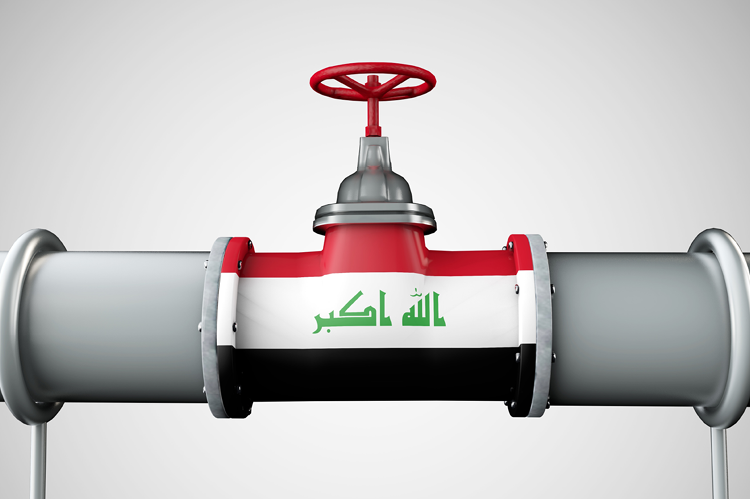
Iraq is now studying a major Pipeline Network Plan to bypass risky maritime routes and secure oil exports. This Pipeline Network Plan comes as regional tensions disrupt shipping through the Strait of Hormuz. As a result, officials explore new land-based solutions to protect energy flows.
First, an economic expert, Nabil al-Marsoumi, confirmed that Iraq received a strategic proposal. The offer came from Heritage Funds LPF, a firm that specializes in government project financing. The company aims to build a nationwide oil and gas pipeline network.
Moreover, the proposal uses an Engineering, Procurement, and Construction model. Under this structure, the firm would finance and execute the projects. In return, Iraq would provide crude oil through barter agreements. Therefore, the plan reduces pressure on government cash reserves.
In addition, the Pipeline Network Plan includes two major projects. The first project focuses on a western export route. A pipeline would run from Basra to Haditha in Anbar province. From there, it would extend to either Aqaba in Jordan or Latakia in Syria.
This route would connect Iraq directly to Mediterranean markets. Consequently, it would open access to Europe and North Africa. It would also bypass maritime bottlenecks that have caused billions in losses. Therefore, Iraq could restore export stability and increase revenue.
Furthermore, the second project targets the northern corridor. It proposes a pipeline from Basra to the Turkish border. This line would connect with the Iraq-Turkey Pipeline. As a result, Iraq could expand exports through the Turkish port of Ceyhan.
At the same time, the Pipeline Network Plan strengthens Iraq’s strategic flexibility. It allows crude oil to move through multiple routes. Consequently, the country reduces reliance on a single chokepoint. This diversification improves long-term energy security.
However, the proposal also involves complex regional coordination. Iraq must secure agreements with Syria, Jordan, and Turkey. In addition, political stability remains essential for long-term success. Without it, large-scale infrastructure projects face delays.
Meanwhile, the financing model offers a practical solution during economic pressure. Iraq depends on oil for about 90% of its national budget. Therefore, barter-based financing provides an alternative to traditional funding. This approach helps move projects forward despite limited liquidity.
Overall, the Pipeline Network Plan reflects Iraq’s urgent need to adapt to geopolitical risks. It shows a clear shift toward land-based export solutions. If implemented, the Pipeline Network Plan could transform Iraq into a regional energy hub and strengthen its global position.