

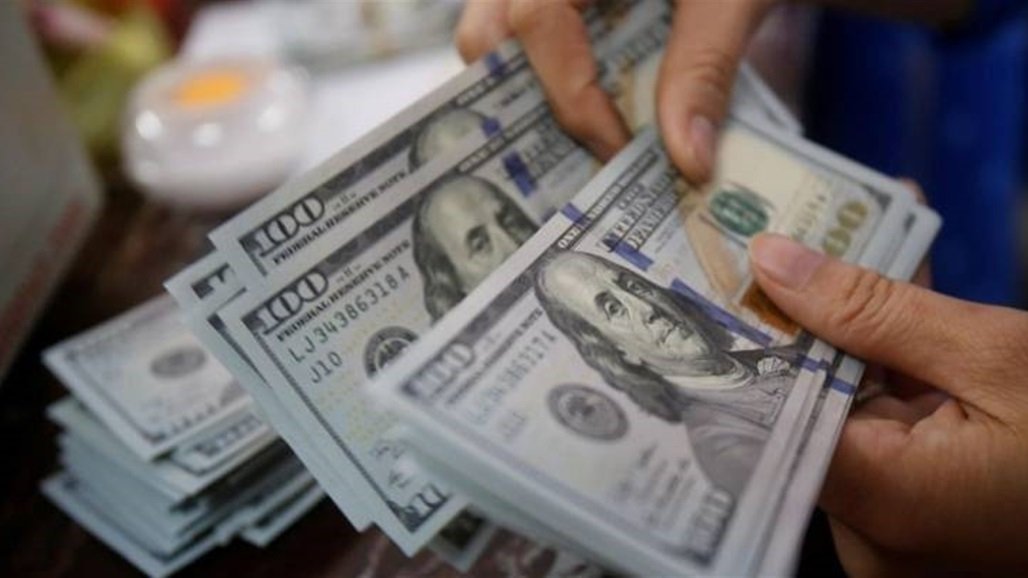
The Dollar Market Rise continues across Iraq as exchange rates increase in both major cities. This Dollar Market Rise reflects steady demand for foreign currency in local markets. As a result, traders closely watch daily movements in exchange centers.
First, the U.S. dollar opened trading at about 154,500 Iraqi dinars per 100 dollars. This figure shows a slight increase from the previous session. Earlier, the rate stood near 154,450 dinars per 100 dollars. Therefore, the market recorded a noticeable upward shift.
Moreover, key exchange centers in Baghdad reported similar trends. The Al-Kifah Exchange and Al-Harithiya Exchange both recorded the same opening rate. Traders in these markets confirmed steady activity and consistent demand.
In addition, exchange shops in Baghdad showed a clear price spread. Sellers offered dollars at 155,000 dinars per 100 dollars. Meanwhile, buyers purchased dollars at around 154,000 dinars. This difference highlights normal trading margins in the local market.
At the same time, Erbil markets followed a slightly different pattern. Exchange shops there sold dollars at 154,450 dinars. Buyers, however, paid around 154,350 dinars per 100 dollars. Although prices remained lower than in Baghdad, the upward trend still appeared.
Furthermore, the Dollar Market Rise indicates continued pressure on the Iraqi dinar. Traders often respond to regional uncertainty and economic shifts. Consequently, demand for the dollar increases as a safer option. This behavior drives prices higher across both cities.
Meanwhile, currency markets remain sensitive to broader economic conditions. Any changes in oil revenues or trade flows can impact exchange rates quickly. Therefore, investors and businesses monitor these fluctuations closely.
In response, many traders adjust their strategies to manage risk. Some hold more dollars to protect value. Others wait for more stable conditions before making large transactions. These decisions shape daily market activity.
Overall, the Dollar Market Rise shows how local markets react to economic signals. Even small changes in rates can influence buying and selling behavior. As conditions evolve, the Dollar Market Rise will likely continue affecting Iraq’s financial landscape.