

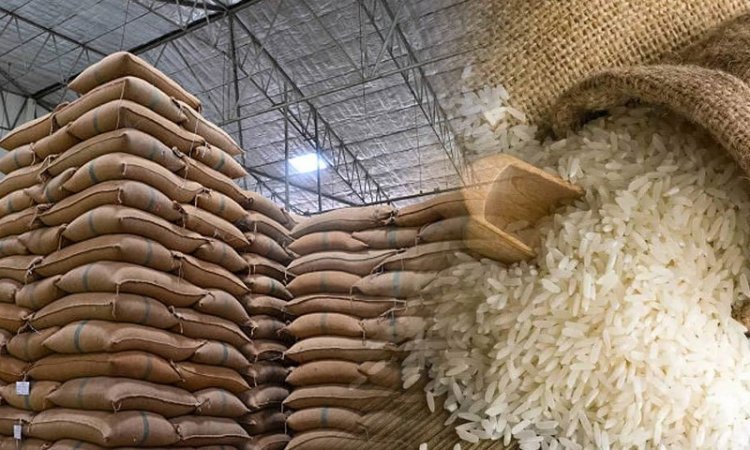
A growing Rice Trade Crisis now disrupts rice imports to Iraq and shakes global supply chains. Rising shipping costs and limited container availability continue to pressure exporters across Asia. As a result, traders now halt shipments and rethink their strategies.
First, traders across key Asian markets report serious disruptions. They now face record-high freight rates and limited shipping capacity. Consequently, many exporters no longer find shipments to Iraq profitable. This situation continues to worsen as instability in regional waters increases risks.
Moreover, a Bangkok-based trader confirmed a complete halt in rice exports to Iraq. The trader explained that rising maritime costs now exceed profit margins. Therefore, exporters now cancel or delay contracts. At the same time, uncertainty in Gulf shipping routes adds more pressure.
In addition, fuel-related surcharges continue to rise sharply. Shipping companies now pass these costs directly to exporters. As a result, overall transportation expenses increase significantly. This trend forces traders to reconsider their supply chains and pricing models.
Furthermore, container shortages create another major challenge. Exporters now struggle to secure enough containers for shipments. Consequently, delays and cancellations become more frequent. This shortage also pushes prices higher across global markets.
Meanwhile, the Rice Trade Crisis reshapes traditional trade routes. Exporters now search for alternative markets with lower risks. Some traders shift focus to closer destinations to reduce shipping costs. Others renegotiate contracts to manage financial losses.
At the same time, Iraq faces growing pressure to secure stable food supplies. Rice remains a key staple in the country. Therefore, any disruption directly affects local markets and food security. Traders and importers now look for new sourcing options.
In response, market players continue to monitor shipping conditions closely. They also explore new logistics solutions to reduce costs. However, challenges remain due to ongoing instability and high fuel prices. These factors continue to drive uncertainty in global trade.
Overall, the Rice Trade Crisis highlights the fragile nature of global supply chains. It shows how shipping disruptions can quickly impact essential goods. As conditions remain unstable, exporters and importers must adapt quickly. The Rice Trade Crisis will likely continue shaping trade decisions in the near future.