

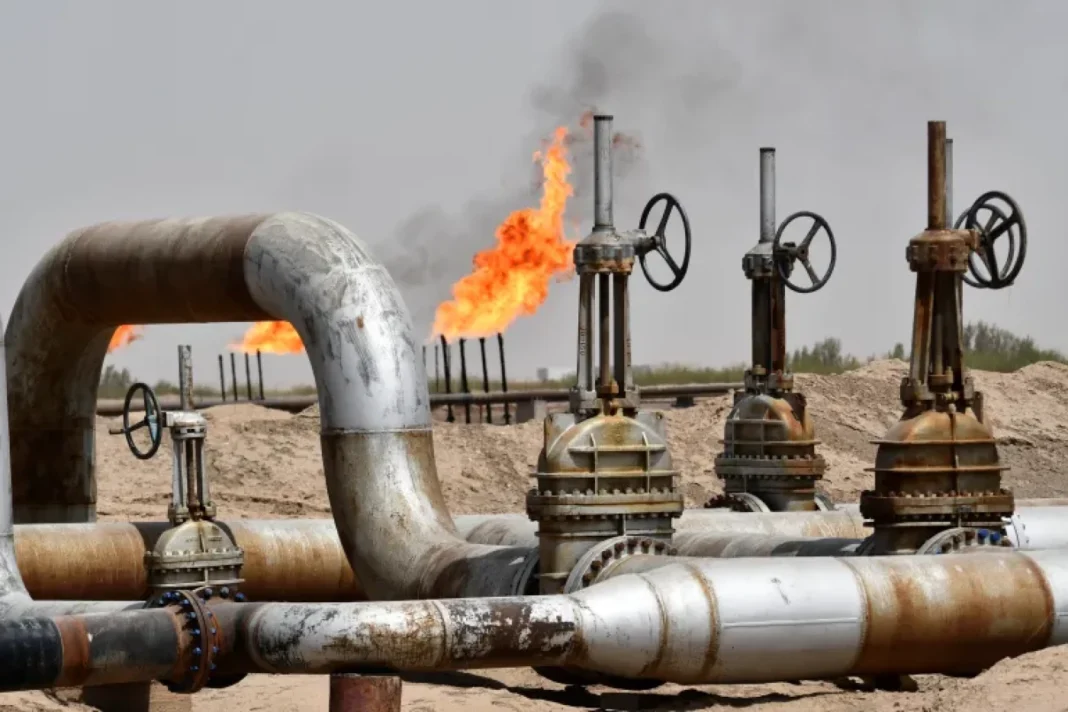
Iraq continues to show strong energy demand. Iraq’s oil consumption exceeds 1.04 million barrels per day. This level places the country among the leading oil consumers in the region.
First, global energy data shows Iraq ranking twenty-second worldwide in oil consumption. The figures highlight the country’s growing domestic demand for fuel. Therefore, Iraq’s oil consumption reflects expanding economic and population needs.
At the regional level, Iraq ranks second among Arab countries in oil consumption. This position places Iraq behind only one major regional energy user. As a result, Iraq plays an important role in regional energy demand trends.
Saudi Arabia leads Arab oil consumption with about 3.5 million barrels per day. The country has a large industrial sector and high domestic fuel demand. Consequently, Saudi Arabia remains the region’s largest oil consumer.
Meanwhile, the United Arab Emirates consumes around 846,000 barrels per day. Kuwait follows closely with approximately 840,000 barrels daily. These figures show how Gulf economies rely heavily on oil for transportation and industry.
Despite strong export capacity, Iraq’s oil consumption continues rising. Domestic refineries and power plants require large volumes of crude oil. Therefore, the country uses significant quantities of its own production.
Energy demand in Iraq comes from several sectors. Transportation remains one of the largest consumers of fuel products. Vehicles, trucks, and public transport systems all rely heavily on gasoline and diesel.
In addition, electricity generation requires large amounts of fuel. Many power plants use oil products when gas supplies become limited. Consequently, electricity demand increases oil consumption levels.
Industrial activity also contributes to energy demand. Factories, construction projects, and manufacturing operations require reliable fuel supplies. Therefore, economic development increases the need for petroleum products.
Meanwhile, global oil consumption remains heavily concentrated in a few major economies. The United States continues to rank first in global oil demand. American consumption reaches around 20.3 million barrels per day.
China follows as the second-largest oil consumer worldwide. The country uses approximately 16.1 million barrels daily to support its massive industrial economy.
India ranks third in global oil consumption. The country consumes around 5.2 million barrels per day as its economy and population expand rapidly.
Russia holds the fourth position globally with about 3.8 million barrels per day. Meanwhile, Saudi Arabia ranks fifth worldwide in oil demand.
These figures highlight the scale of global energy consumption. Large economies require enormous energy supplies to sustain growth and industrial activity.
Within this global landscape, Iraq’s oil consumption remains significant. Rising population numbers and expanding infrastructure continue driving domestic demand.
As the economy grows, energy demand will likely increase further. Policymakers may need to balance domestic consumption with export priorities.
Overall, Iraq’s oil consumption reflects the country’s growing energy needs and its position within regional energy markets.