

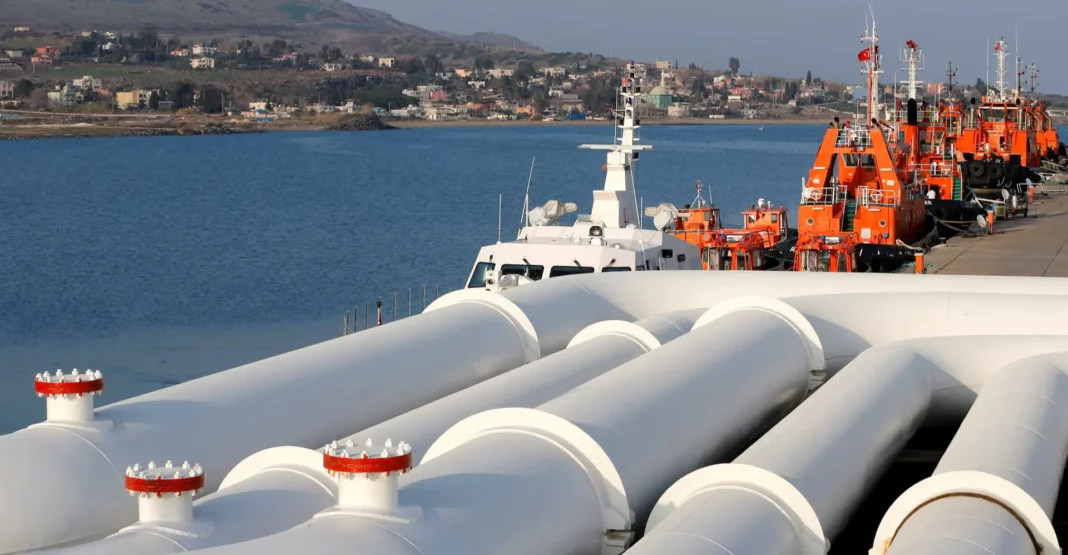
A new dispute emerged between Baghdad and the Kurdistan Region over oil exports. The Iraq Ceyhan pipeline exports issue now affects efforts to restore crude shipments during a regional energy crisis.
First, Iraq’s Oil Ministry asked the Kurdistan Region to restart exports through the pipeline linking northern Iraq to Türkiye’s Ceyhan port. Officials proposed this step to ease pressure caused by disruptions in the Strait of Hormuz.
However, authorities in the Kurdistan Region declined the request. As a result, the Iraq Ceyhan pipeline exports plan remains stalled despite urgent calls from Baghdad.
Federal officials argued that restarting exports would help Iraq reduce losses from halted southern shipments. Oil exports from the south normally pass through the Strait of Hormuz. Yet recent regional tensions have severely disrupted those routes.
Therefore, Baghdad proposed exporting up to 300,000 barrels of crude oil per day through the northern pipeline. This measure could partially offset the export losses affecting the country.
Previously, fields in the Kurdistan Region exported about 200,000 barrels per day before the suspension. If exports resumed, those shipments could combine with the new proposal to increase overall export volumes.
Meanwhile, the pipeline connecting Iraq to the Turkish port of Ceyhan has a total capacity of around 900,000 barrels per day. This infrastructure could therefore support significantly larger export flows if fully utilized.
Despite these possibilities, negotiations between Baghdad and the Kurdish authorities continue. Kurdish officials attached several conditions to the proposed restart of exports. These conditions created delays in reaching an agreement.
According to federal authorities, some of these conditions do not directly relate to the immediate resumption of exports. Baghdad believes these issues could be discussed later while shipments resume immediately.
However, Kurdish officials have not yet accepted this proposal. Consequently, the Iraq Ceyhan pipeline exports remain suspended during a critical period for Iraq’s energy sector.
The delay could have serious financial consequences for the country. Iraq relies heavily on oil revenue to fund government spending and economic programs. When exports decline, state income also drops significantly.
Therefore, restoring export flows remains a top priority for Iraqi authorities. Officials believe that restarting northern shipments could reduce economic pressure during the current crisis.
The closure of the Strait of Hormuz already disrupted large portions of Iraq’s southern oil exports. This situation increased the importance of alternative export routes such as the Ceyhan pipeline.
Energy analysts also highlight the strategic value of northern pipelines. These routes allow Iraq to diversify export pathways and reduce reliance on a single shipping corridor.
However, political and economic disagreements between Baghdad and the Kurdistan Region continue to complicate cooperation. Negotiations between both sides often involve issues related to budget allocations, revenue sharing, and financial transfers.
Despite these challenges, Baghdad continues urging Kurdish authorities to resume exports quickly. Federal officials argue that restoring flows aligns with the Iraqi constitution and national budget law.
Ultimately, the Iraq Ceyhan pipeline exports dispute reflects broader tensions within Iraq’s energy sector. Resolving the disagreement could help restore part of the country’s oil exports during a period of regional instability.