

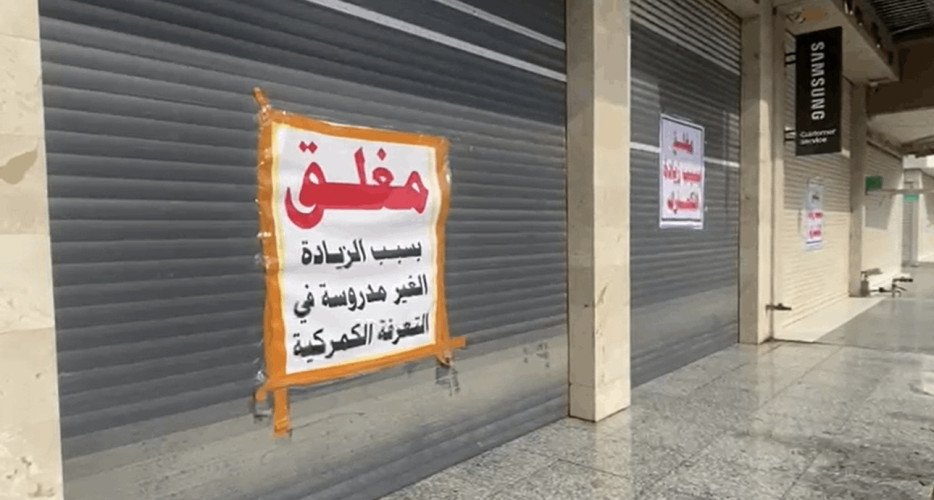
Iraq faces an unprecedented economic standstill as merchants launch a nationwide strike. Iraq economic standoff disrupts commerce across Baghdad, Basra, and other key cities. Traders and shop owners are protesting controversial customs tariffs and new taxes, demanding government action.
The strike stems from Cabinet Decision No. 957, which introduced sweeping changes to customs procedures at the start of the year. Customs duties for some goods jumped from 1–5% to 30%, while fees on infant milk and electrical goods nearly sixfold. Traders describe the measures as a threat to small business survival.
A newly imposed $5,000 quality mark tax per commodity has added to merchant frustrations. Shopkeepers argue that these charges drain profits and hurt ordinary consumers. The rollout of the Automated System for Customs Data (ASYCUDA) has also created challenges. Many merchants struggle with advanced electronic payments and collateral deposits, making compliance difficult.
Commercial hubs including Al-Shorja, Al-Rashid Street, and Karrada in Baghdad have reported 100% strike participation. Markets in Basra and other provinces are similarly closed. Closed shops display banners stating, “Customs fees are killing citizens” and “After emptying the treasury with corruption, you reach into our pockets.”
The strike caused severe congestion at Umm Qasr Port, with thousands of containers left stranded. Traders refuse to pay under the new pricing structure, slowing imports and exports. Economists warn that the government’s strategy is backfiring.
Despite higher tariffs, customs revenue for January fell by 71 billion IQD, indicating trade suppression rather than increased income. Commercial transactions with international partners have reportedly halved since the new rules were implemented. Economists also note that these costs pass directly to consumers, further devaluing the purchasing power of the Iraqi Dinar in parallel markets.
Authorities tried to ease tensions by offering a 25% reduction in import value assessments. However, the Association of Traders rejected the offer as insufficient. Merchants insist that reforms must protect local business and prevent further economic strain.
Observers now await the Federal Supreme Court’s ruling on a legal challenge regarding the constitutionality of the tariff hikes. The decision, expected soon, could determine whether commerce resumes or the strike continues. Iraq economic standoff highlights the delicate balance between government revenue needs and sustaining local trade.
Analysts warn that prolonged disruption may slow overall economic growth, damage investor confidence, and intensify inflationary pressure. With millions of Iraqis dependent on goods from affected markets, the government faces mounting pressure to resolve the crisis quickly.