

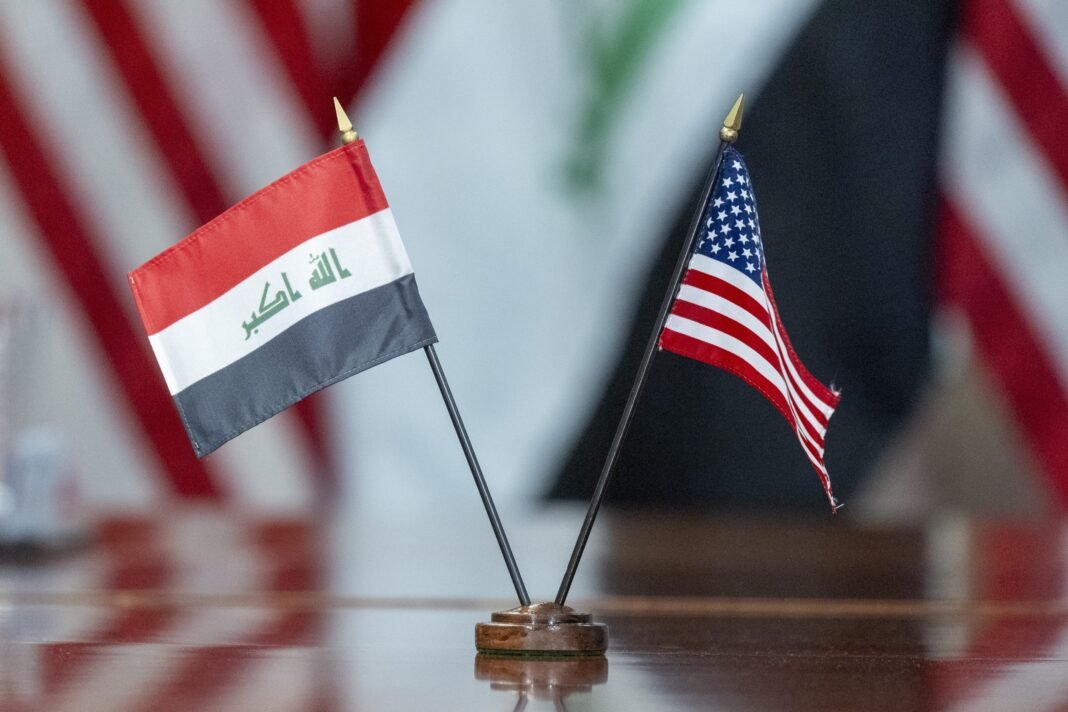
Iraq continues to strengthen economic cooperation with the United States amid regional financial challenges. Iraq financial stability remains a central priority for both governments. Therefore, officials met in Baghdad to reinforce monetary coordination and long-term reform goals.
A senior US official confirmed strong readiness to support Iraq’s central banking efforts. He stressed ongoing cooperation with Iraqi financial authorities. Moreover, he highlighted shared responsibility for economic resilience and currency stability.
The meeting focused on deeper strategic coordination between both countries. Leaders discussed steps to support Iraq’s monetary framework. Additionally, they reviewed methods to protect financial systems from external shocks.
Both sides agreed that monetary stability supports political and security balance. Therefore, financial reform plays a critical national role. Furthermore, stable banking systems strengthen investor confidence and trade growth.
The US official reaffirmed commitment to long-term partnership with Iraq. He emphasized continued support against destabilizing financial risks. As a result, cooperation remains active and consistent.
He also praised recent reforms led by Iraq’s central bank leadership. These reforms improved banking transparency and operational discipline. Consequently, financial oversight now aligns more closely with global standards.
US institutions continue coordination with Iraqi counterparts. This cooperation includes technical guidance and policy alignment. Moreover, regular engagement ensures smooth financial communication channels.
The Central Bank governor outlined ongoing reform strategies. He explained improvements in currency market regulation. Additionally, he detailed steps to control dollar flows responsibly.
Iraq strengthened oversight on foreign exchange operations. Therefore, the market now operates under clearer rules. As a result, volatility levels continue to decline.
The governor also stressed progress in banking modernization. Digital systems now improve transaction tracking. Consequently, compliance levels continue to rise.
Both parties reviewed structured engagement formats. These meetings occur on a regular cycle. Therefore, financial coordination remains continuous and predictable.
US institutions support Iraq through technical expertise. This support strengthens policy execution capacity. Moreover, collaboration improves institutional confidence.
Iraq seeks long-term economic balance through reform. Monetary discipline plays a key role in that vision. Thus, cooperation with international partners remains essential.
The US official praised Iraq’s reform commitment. He encouraged sustained implementation momentum. Furthermore, he stressed transparency and accountability.
Iraq financial stability depends on disciplined currency management. Therefore, leadership continues reform execution. As a result, economic confidence shows gradual improvement.
Officials highlighted the importance of regional financial positioning. Iraq aims to protect its economy from volatility. Consequently, monetary safeguards continue expansion.
Both sides stressed that cooperation supports national resilience. Financial systems influence social stability directly. Thus, reform progress holds national significance.
The meeting concluded with mutual commitment to future coordination. Officials expressed confidence in continued partnership. Therefore, economic reform remains on track.
Iraq financial stability continues to guide policy direction. Strong cooperation supports sustainable growth. Hence, bilateral financial engagement remains vital.