

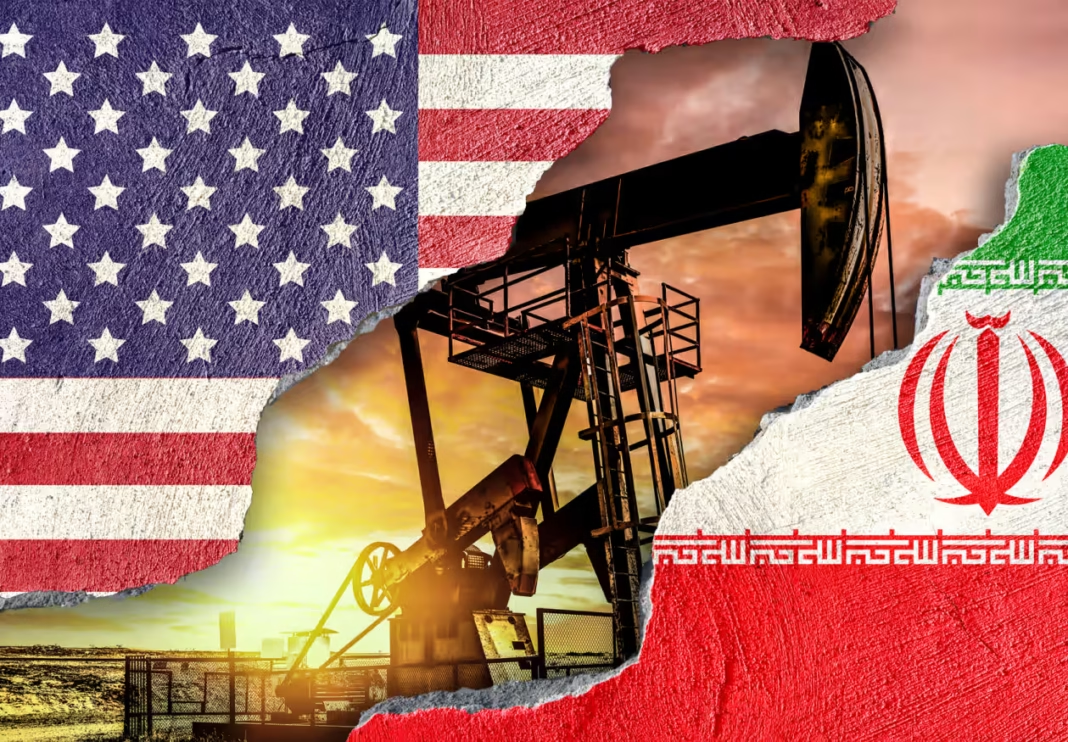
Global oil prices retreated as markets reacted to political signals and currency strength. Moreover, traders adjusted positions amid diplomatic expectations. Therefore, energy markets entered a cautious phase before key negotiations.
Global oil prices declined for a second session as sentiment shifted. Traders assessed easing tension between the United States and Iran. Additionally, expectations of dialogue reduced immediate supply risk fears. As a result, prices moved lower.
Brent crude traded at 65.91 dollars per barrel. This level reflected a drop of 39 cents, or 0.5%. Meanwhile, US West Texas Intermediate traded at 61.83 dollars per barrel. That price showed a fall of 31 cents, or 0.5%.
Earlier, markets experienced sharp losses. Oil prices dropped by more than 4% in one session. Comments suggesting diplomatic progress triggered the decline. Consequently, traders reduced risk exposure quickly.
Global oil prices often react to geopolitical signals. Statements about dialogue reduce fear premiums. Therefore, even verbal signals influence futures trading. This pattern appeared clearly during recent sessions.
Market analysts described recent moves as sentiment-driven. They observed no major change in supply fundamentals. Moreover, rapid swings reflected trader psychology. As a result, gains faded quickly after a brief rally.
Broader market volatility also weighed on prices. Equity markets showed uncertainty. Additionally, mixed economic data affected confidence. Therefore, oil struggled to maintain upward momentum.
Currency movements added further pressure. The US dollar strengthened against major currencies. A stronger dollar raises oil costs for foreign buyers. Consequently, demand expectations weakened.
Global oil prices respond strongly to dollar shifts. Traders often sell oil when the dollar rises. This behavior appeared again during recent sessions. Hence, currency trends amplified price declines.
Analysts also cited central bank developments. Leadership expectations influenced dollar recovery. Moreover, monetary policy outlooks affected commodity sentiment. As a result, oil prices faced additional downside pressure.
Trade developments entered market calculations as well. The United States announced changes to tariff structures. These changes altered global oil flow expectations. Consequently, traders reassessed supply routes.
Analysts warned about increasing oil volumes at sea. Trade realignments may redirect crude shipments. Therefore, oversupply concerns resurfaced briefly. This fear added to bearish sentiment.
Some traders expect continued volatility. They anticipate sharp reactions to headlines. Additionally, macroeconomic signals may dominate trading behavior. Therefore, price stability remains uncertain.
Global oil prices may remain range-bound. Analysts see limited upside catalysts. At the same time, downside risks persist. Hence, markets may continue fluctuating.
Risk appetite remains fragile across commodities. Investors prefer short-term positions. Moreover, algorithmic trading accelerates price swings. As a result, daily volatility increases.
Despite declines, long-term fundamentals stay unchanged. Supply management still influences outlooks. However, short-term sentiment dominates pricing. Therefore, news flow controls direction.
Energy markets now watch diplomacy closely. Any escalation could reverse losses quickly. Conversely, calm dialogue may pressure prices further. Thus, uncertainty defines the current phase.
Global oil prices reflect this fragile balance. Traders weigh politics, currency, and trade together. Consequently, decisive trends remain absent. Markets continue reacting headline by headline.