

Iraq automotive production marks a strong industrial step as local factories deliver new vehicles to the market. Moreover, this achievement reflects growing confidence in national manufacturing capabilities. Therefore, industrial development continues to move beyond imports toward domestic value creation.
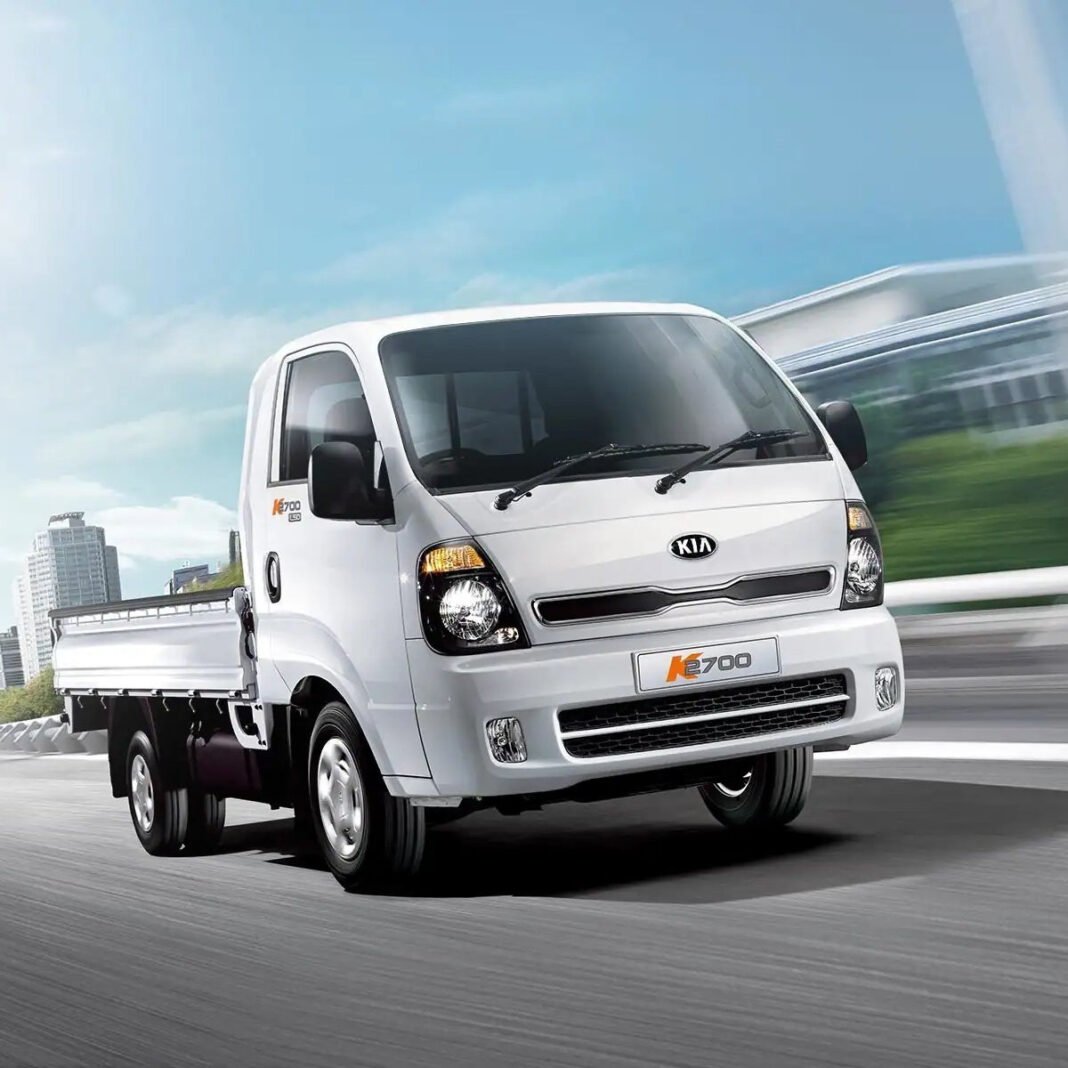
Iraq automotive production recently completed a full batch of 360 single-cabin Kia field vehicles. Iraqi technicians assembled every vehicle locally. Additionally, the project involved direct cooperation with a major global manufacturer. As a result, local skills now meet international production standards.
The vehicles carry the Kia 2700 model designation. Engineers completed assembly at the Babylon Car Production Plant. Furthermore, teams followed a structured production system with 8 main stages. This approach ensured consistency, safety, and efficiency.
The production stages covered the full manufacturing cycle. Workers assembled the chassis first. Then, teams installed oil and fuel systems. After that, engineers added cooling gas systems. Body assembly followed with precise alignment. Finally, technicians completed final engineering inspections.
Quality control guided every step. Each vehicle passed through direct technical supervision. Moreover, every unit completed a specialized road test. These tests confirmed performance, durability, and safety compliance. Consequently, finished vehicles met approved industrial standards.
This delivery represents the first phase of a larger plan. The company plans to assemble 1,000 vehicles during the next period. Therefore, production capacity will continue expanding steadily. This growth supports national industrial strategy.
Iraq automotive production benefits from strong local demand. Kia field vehicles attract buyers because of durability and efficiency. Additionally, citizens and industrial users rely on these vehicles for daily operations. As a result, market demand remains high.
The company also brings extensive experience to the project. Previously, production lines assembled 2,744 Kia sedans. These models included Optima, Carnes, Picanto, and Cerato. Furthermore, teams assembled 3,044 Kia pickup vehicles. This track record supports operational confidence.
Each completed unit strengthens local industrial expertise. Skilled Iraqi hands perform assembly, inspection, and testing. Consequently, technical knowledge continues to grow inside the country. This progress reduces reliance on foreign manufacturing.
Moreover, partnerships with global brands enhance technology transfer. Cooperation with South Korean industry introduces modern standards. Therefore, Iraqi factories gain access to advanced processes. This exchange improves competitiveness and quality.
Industrial officials emphasize long-term development goals. They seek to expand production lines further. Additionally, they aim to diversify vehicle models. As a result, Iraq automotive production can serve broader market needs.
Employment opportunities also grow with expansion. Manufacturing activity creates skilled and technical jobs. Moreover, supply chains benefit from local sourcing. This cycle strengthens the national economy.
The automotive sector plays a strategic role in industrial policy. Local assembly reduces import pressure. Furthermore, domestic production supports currency stability. Therefore, manufacturing growth aligns with economic resilience.
Industry leaders stress continuous improvement. They focus on efficiency, quality, and safety. Consequently, future production batches may increase in size and variety. This momentum supports sustainable industrial growth.
Overall, Iraq automotive production demonstrates steady progress. Local factories now deliver high-demand vehicles. Strong partnerships, skilled labor, and structured planning drive success. Ultimately, national industry moves closer to self-reliance.